Signs of Fleas in the House: 7 Clues Your Heating Could Be Waking Them Up
Spot the 7 signs of fleas in the house, from itchy bites to scratching pets. Learn how central heating affects flea activity and when to seek expert help.

TL;DR: Rats and mice can become more noticeable in autumn as colder, wetter weather pushes them to look for shelter and food indoors. Secure food and waste, check for gaps around your property, and act promptly if you find signs of activity.
Key Takeaways
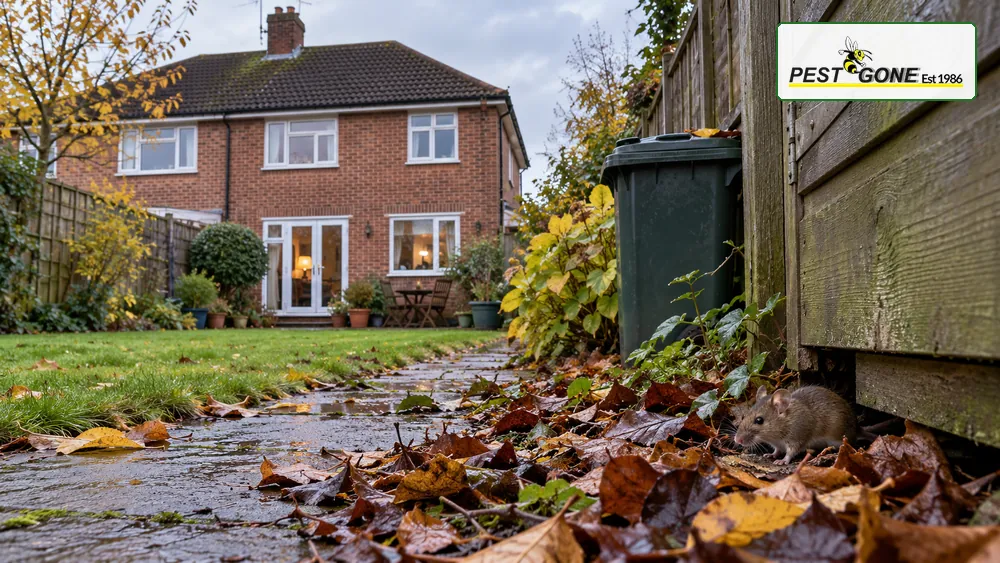
If you’ve heard scratching in the loft or found droppings in a cupboard, you may be wondering why rodents have appeared now. As the weather turns colder and wetter, rats and mice seek dry, sheltered places with food and water, making homes, sheds, garages and businesses appealing. The British Pest Control Association says rodents may move indoors as temperatures fall.
This doesn’t necessarily mean the local rodent population has increased. Some animals living outdoors may simply move closer to buildings, where they’re easier to notice. A mouse hidden in a shed during summer, for example, may become more visible when it starts looking for food indoors.
Rats and mice can enter through gaps around doors, pipes, vents and roof spaces. Once inside, they may hide behind appliances, beneath floors, in loft insulation or in other quiet areas.
Outbuildings can be vulnerable too. Sheds and garages often have small gaps, cluttered corners and stored materials that offer places to hide or nest. A quick check around these areas can help you spot potential access points before winter.
Accessible food gives rodents a reason to return. Crumbs, uncovered bins, pet food and poorly stored pantry items can all attract them. Outdoors, bird seed and fallen fruit may provide an easy meal.
A home does not have to be untidy to attract pests. A small, regular food source can be enough to encourage rodents to keep visiting. Bedford Borough Council identifies wild bird feeding as a common reason for rats appearing around homes.
As gardens are tidied and crops are harvested, outdoor conditions change. Compost heaps, fallen fruit, stored materials and overgrown areas may provide food or cover. When a sheltering place is disturbed or becomes less suitable, rodents may move elsewhere.
This can be noticeable near fields, allotments or gardens, but homes in towns can also attract rodents if they offer a source of food and a way inside.
The same seasonal changes affect rats and mice, but the rodents around your property may have come from different places. House mice often live in and around buildings throughout the year, while field mice usually nest outdoors and may move into homes or outbuildings when the weather gets colder.
Field mice may seek warmer places to nest as temperatures fall, while rats seek food and shelter around buildings, especially in garages, sheds, and areas with accessible waste or stored food. Rats are more often noticed after dark, and droppings, gnaw marks, and activity locations can help distinguish them from mice.
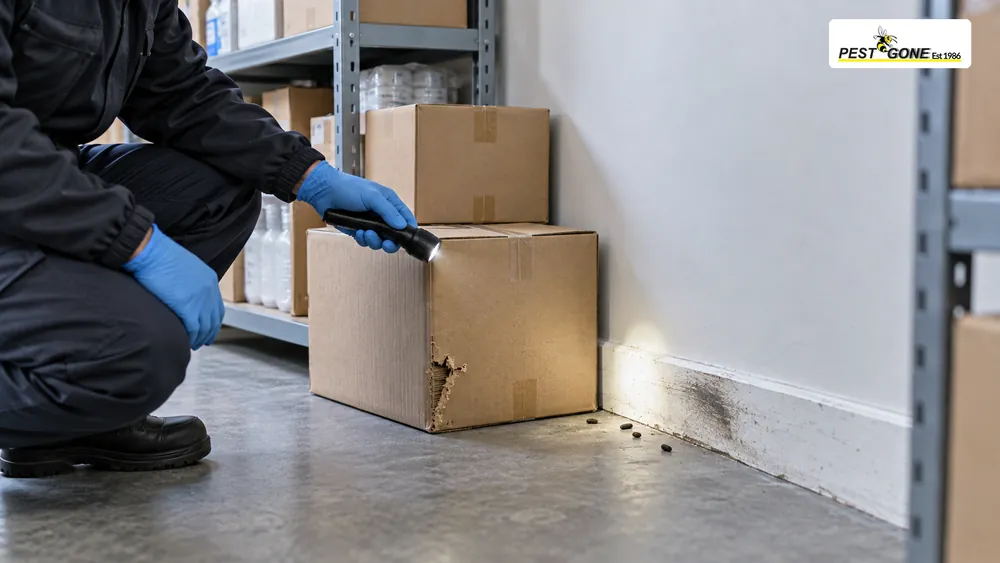
Rodents are often active at night, so you may find signs before you see an animal. Check cupboards, the backs of appliances, lofts, garages and areas where food or materials are stored.
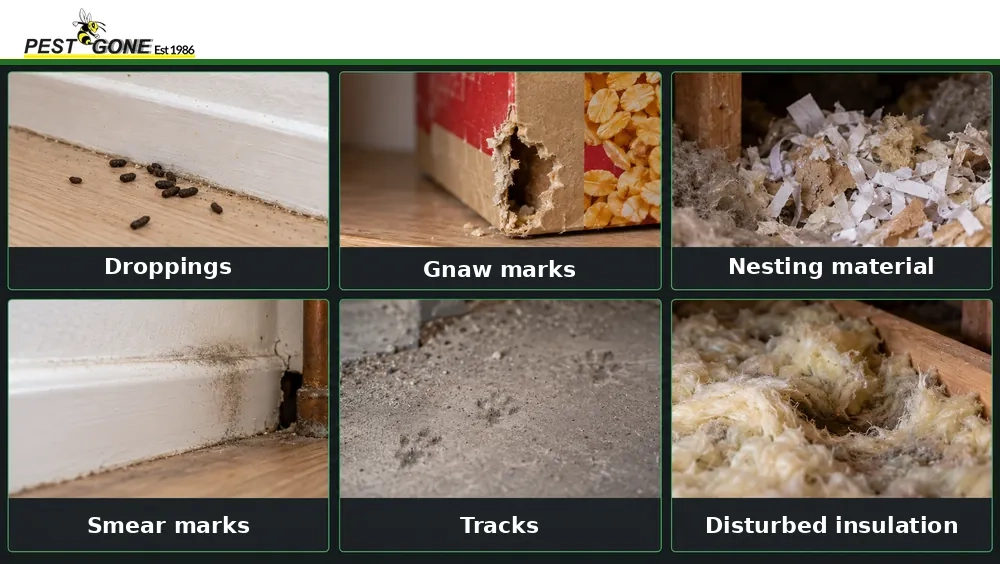
Common signs include:
Rats and mice can damage property and contaminate stored food. If you find droppings or nesting material, keep children and pets away from the area. Avoid sweeping or vacuuming droppings while they are dry, as this can spread dust. Follow reliable cleaning advice or ask a pest control professional how to handle the affected area safely.

A few practical steps can reduce food sources and help reveal places where rodents may be getting in. These measures are useful for homes and business premises alike.
Keep dry goods in sealed containers and clean up crumbs or spills promptly. Store pet food securely and avoid leaving it out overnight. Use bins with lids that close properly, and replace bins with damaged sides or bases.
If you feed birds, clear away spilled seed and consider moving feeders further from the house. Pick up fallen fruit and keep compost covered and in good condition. These steps reduce easy food sources around the property.
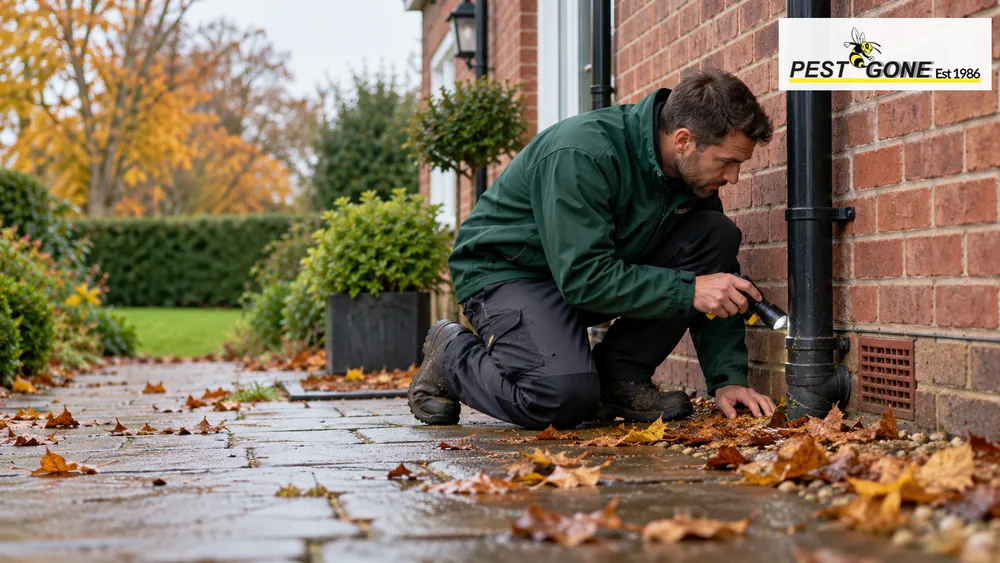
Look around your home, garage and shed for gaps near pipes, vents, doors and foundations. Mice can fit through very small openings, so check narrow gaps as well as larger holes. Repair damaged seals and use suitable materials to close access points.
Do not block vents needed for airflow. If you are unsure whether an opening is a necessary vent or a possible entry point, seek advice before sealing it.
Keep plants trimmed back from walls, and clear clutter from sheds, garages and storage areas. Store materials off the ground where possible, and inspect them before bringing them indoors. Fewer sheltered spaces can make it harder for rodents to hide close to your property.
Contact a professional if signs persist or rodents may be entering your property. They can identify access routes and recommend an appropriate solution.
If repeated signs are appearing in your home or business, learn more about Pest Gone’s rat and mouse pest control service and get advice tailored to the problem.
We are a family-run pest control company serving Bedfordshire, Milton Keynes and the surrounding areas. With more than 30 years of experience, we provide domestic and commercial pest control services tailored to homeowners, landlords and businesses.
Our friendly technicians deliver a reliable and discreet service, using unmarked vehicles wherever possible. We are locally approved, giving customers added confidence when dealing with unwanted pests. If you have noticed signs of rats or mice, we can discuss the problem and explain the available options. We can then arrange suitable support for your property within our service area.
Rodent activity can be unsettling, especially when you are unsure whether it is an isolated sighting or a larger problem. If you have found droppings, heard scratching or spotted gnaw marks, contact Pest Gone to talk through what you have noticed.
Call 01234 960798 or 07955 156 397, or request a quote.