Signs of Fleas in the House: 7 Clues Your Heating Could Be Waking Them Up
Spot the 7 signs of fleas in the house, from itchy bites to scratching pets. Learn how central heating affects flea activity and when to seek expert help.

TL;DR: Autumn can draw rats and mice into homes and businesses as they look for food, warmth, and sheltered places to nest. Check for early signs, remove easy food sources, and deal with gaps around the property before the problem becomes established. If activity continues, a professional inspection can identify the source and the right next step.
Key Takeaways
Autumn is a busy period for rats and mice. As the weather turns colder and wetter, they start looking for a warm, dry place with food and water close by.
A home, shop, warehouse, office, shed, or stockroom can offer exactly that. Taking a few sensible steps now may stop a small issue from becoming an established problem later in the season.
Rats and mice are active throughout the year, but autumn makes homes and commercial buildings more appealing. As natural food and shelter become harder to find, fallen fruit, bird feed, overflowing bins, compost, and unsecured pet food can draw them closer to a property.
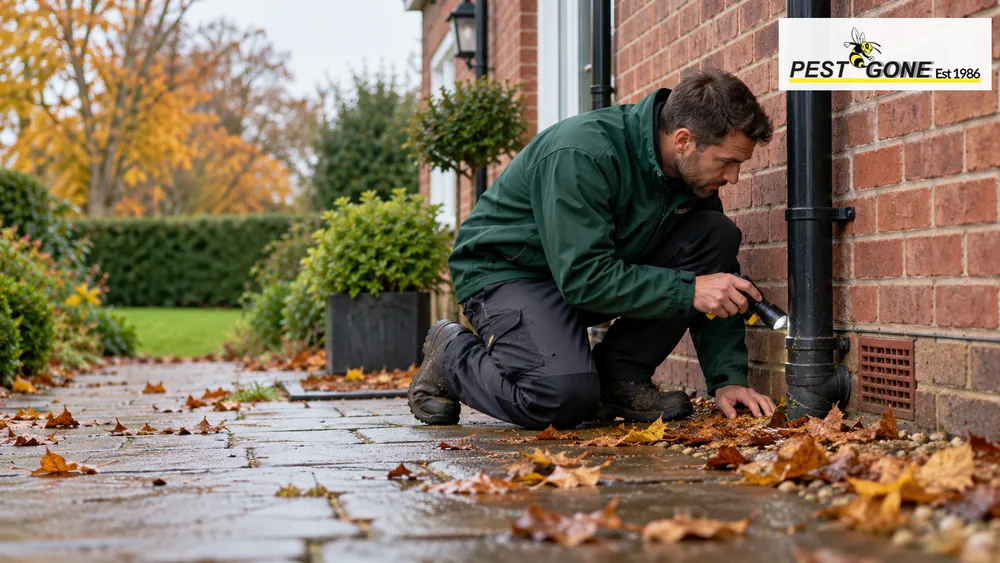
Once inside, rodents often settle in quiet places such as lofts, wall cavities, garages, cupboards, and storage rooms where food is nearby. Mice can squeeze through small gaps around pipes, doors, and vents, while rats may use damaged drains, broken airbricks, gaps beneath sheds, or faults around the outside of a building.
Most people do not see a rat or mouse straight away. They notice the clues left behind.
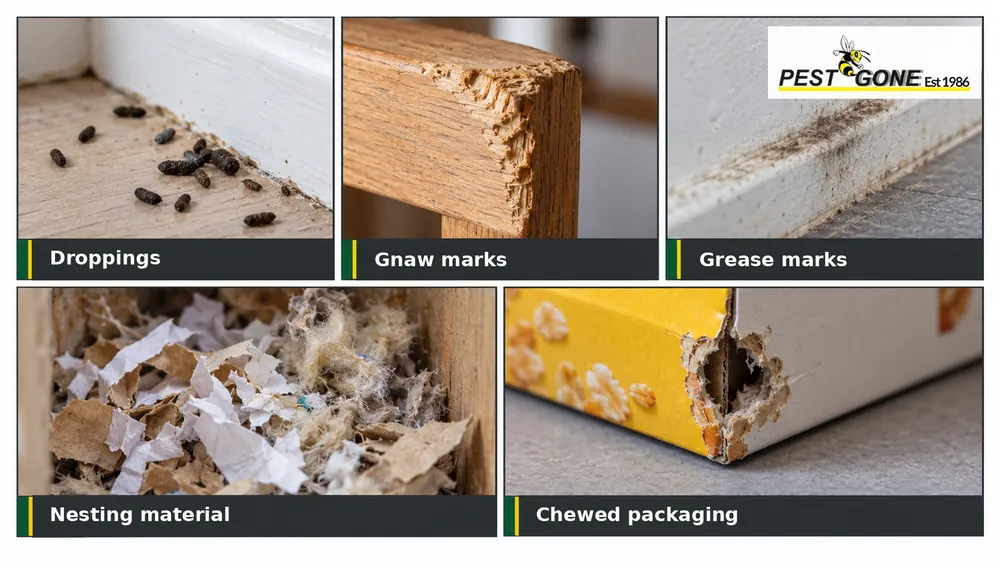
Droppings, chewed food packaging, gnaw marks, greasy smears, and disturbed stored items are common signs of rodent activity. Fresh droppings are usually darker and softer-looking, while older ones become duller and more brittle.
Scratching or scurrying in walls, ceilings, or under floors can be another clue, but birds, squirrels, and pipework can make similar noises. Look for several signs together before assuming rodents are responsible.
Other signs worth checking for include:
Rodent activity can be easy to miss in a business because it often happens after hours. Waste stores, delivery areas, kitchens, plant rooms, ceiling voids, and stockrooms should be checked regularly.
Damaged packaging, droppings, gnaw marks, and unusual smells should be reported rather than cleaned away and forgotten. A clear reporting process helps staff and tenants flag concerns before the issue affects stock, hygiene, or customer confidence.
A quick check around the home can remove many of the things that attract rodents. Focus on access points, food sources, and quiet places where they could nest.

Check waste areas, delivery points, doors, drains, and external storage regularly, especially during autumn. Keep bins closed, clear loose rubbish, and deal with any gaps or damage that could give rodents access.
Inside, keep stock organised, check quiet areas such as storerooms and ceiling voids, and make sure staff know how to report signs of activity. Early reporting helps stop a small problem from affecting stock, hygiene, or customer confidence.
Rodent reports from tenants should be taken seriously, even if the signs appear minor at first. Scratching in a loft, droppings in a kitchen, or activity around bins may point to an issue affecting more than one part of the property.
Start with bin stores, gardens, sheds, garages, hallways, and external storage spaces. These areas can provide food, shelter, or a route into flats and rental homes.
Check for damaged airbricks, gaps around pipes, broken drain covers, and holes near doors or ground-level walls. Small defects can give rodents a way inside, particularly as the weather becomes colder.
Tenants should know who to contact if they see droppings, damage, or signs of activity. Clear communication helps prevent delays and shows whether the issue is isolated or affecting other properties.
If professional treatment is needed, arranging access and following proofing advice can help prevent the problem from returning. Keeping a record of reports, inspections, and maintenance work also makes future issues easier to manage.
Prevention can lower the risk, but it may not be enough once rodents are active indoors. Repeated fresh droppings, regular scratching, visible damage, or daytime sightings are all signs that it is time to seek professional advice.
A quick fix may deal with what you can see but miss where rodents are entering or nesting. Professional rat and mouse pest control can identify the source of the activity and recommend the right treatment and proofing steps.
We look for the source of the activity, including entry points, food sources, nesting areas, and signs of movement. This can involve checking:
After the inspection, we explain what we have found and recommend the next steps. This may include treatment, proofing, and practical advice to help prevent rodents from returning.
PestGone is a family-run pest control company serving homes and businesses across Bedfordshire, Milton Keynes, and surrounding areas. With more than 30 years of experience, we provide practical advice and treatment suited to the property and level of rodent activity.
We can assess the signs you have found, explain the likely cause, and recommend the next steps clearly. We also use unmarked vehicles, providing a discreet service for homes, rental properties, shops, warehouses, and other commercial premises.
Autumn is the right time to check access points, food storage, bins, and the quieter areas around your property. Acting on early signs gives you more control over the situation.
Contact Pest Gone today for a free quote.