Signs of Fleas in the House: 7 Clues Your Heating Could Be Waking Them Up
Spot the 7 signs of fleas in the house, from itchy bites to scratching pets. Learn how central heating affects flea activity and when to seek expert help.

TL; DR:
Small clues such as droppings, damaged packaging, strange smells, and scratching sounds may reveal pest activity in commercial premises. Early action can help limit contamination, property damage, and disruption before the problem reaches customers or more stock.
Key Takeaways
A pest problem often starts with something easy to overlook, such as damaged packaging, droppings behind stock, or scratching above the ceiling. Catching these clues early can stop pests from spreading through storage areas, workspaces, and customer-facing parts of the building.
Knowing where to look makes all the difference. Below are the common warning signs left by rodents, insects, and birds in shops, offices, and warehouses.
Different pests leave different evidence, but several warning signs apply across most commercial properties.
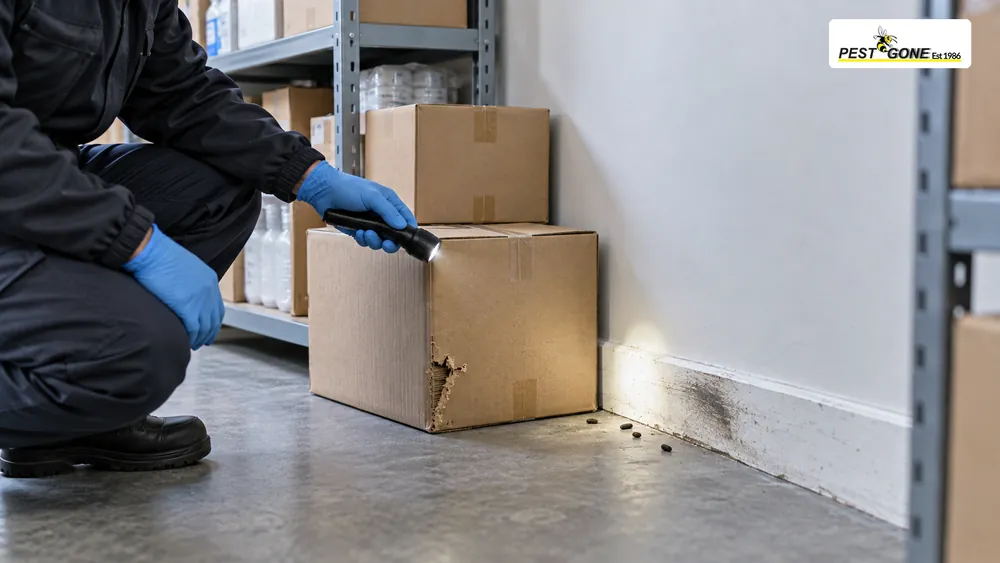
Droppings along walls, inside cupboards, or near food are clear signs of pest activity, with fresh rodent droppings appearing dark and shiny while older ones turn dull and dry. Cockroach droppings are much smaller, resembling black pepper or dark smears near tight gaps and hinges, and all droppings require careful handling precautions.
Unexplained gnaw marks on boxes, cables, or timber—especially along corners and edges—often indicate rodent activity rather than normal wear. Small holes in packaging typically suggest mice, whereas larger tears point to rats, requiring damaged stock to be isolated immediately.
Rodents often leave a strong, ammonia-like odor, while cockroach infestations produce a distinct musty or oily smell as numbers grow. Additionally, foul smells near walls; ceiling voids, or vents may point to a dead pest that has traveled through hidden cavities.
Rodents are most active in quiet environments, leading employees to hear scratching or scurrying inside walls, floors, and ceilings after hours. Because pests often hide during busy work shifts, these sounds warrant immediate attention even if no rodents are visible.
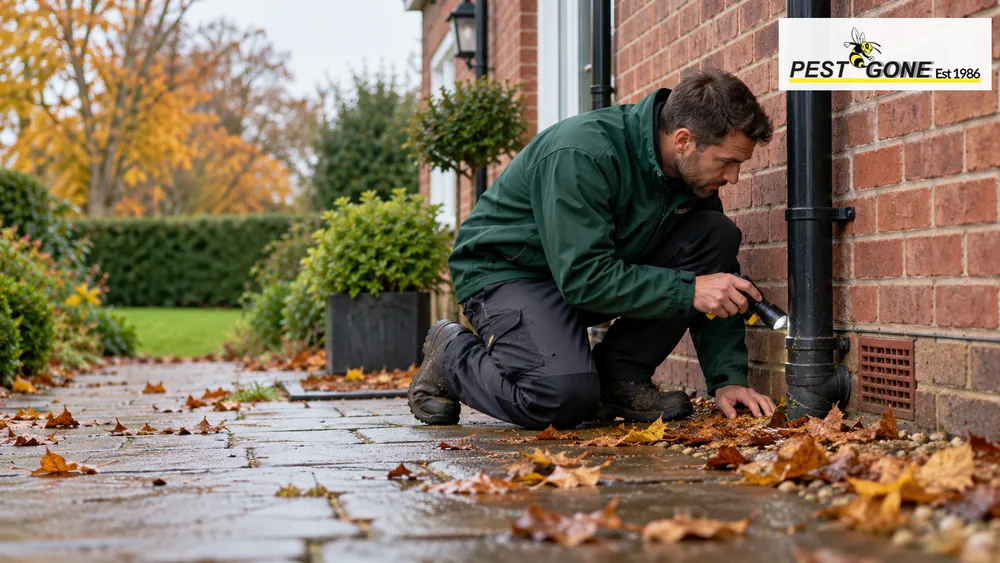
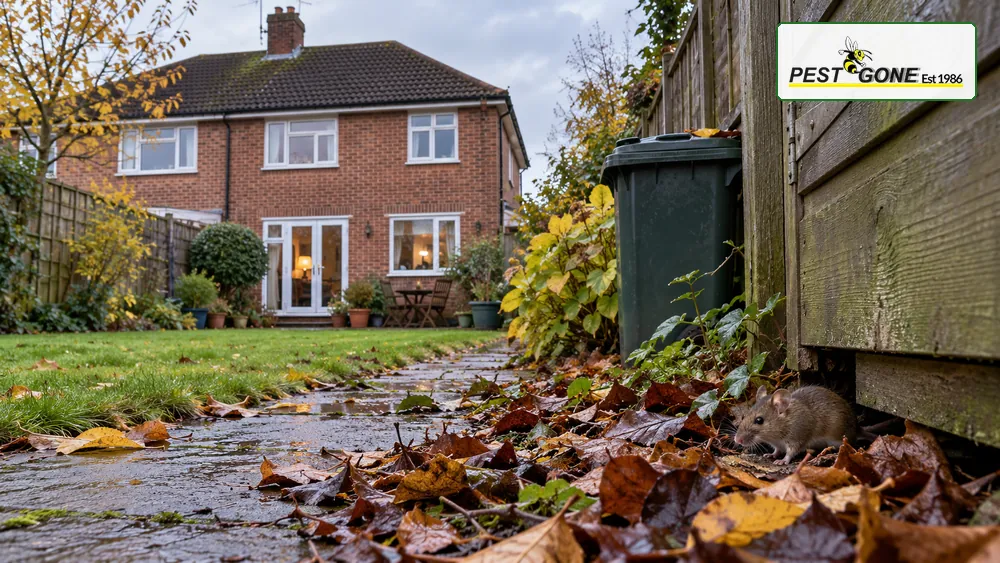
Rats and mice are skilled at using small gaps, service pipes, drains, and loading areas to enter commercial properties.
Watch for:
Seeing a rodent during the day can suggest that the nesting area has become crowded or that food is difficult to find. It does not prove the size of the infestation, but it does justify prompt investigation.
Cockroaches: Check warm, dark areas near moisture (kitchens, drains, appliances) for dark droppings, egg cases, shed skins, a musty odor, or insects scattering when light hits.
Ants: A continuous trail on floors or walls indicates an active link between a food source and a nest, often entering through tiny cracks around doors, windows, or pipework.
Flies: Sudden surges point to decaying waste or organic buildup. Check bin stores, drains, and kitchen equipment.
Stored Product Pests: Inspect dry goods (grains, flour, spices) for beetles, moths, larvae, fine product dust, or webbed packaging.
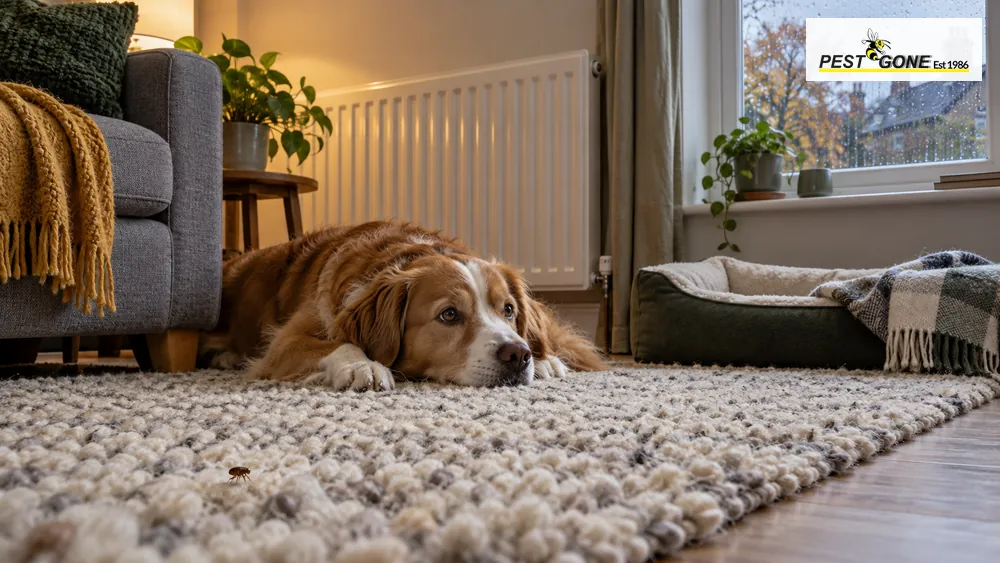
Fleas: Small, itchy bites around ankles, especially in spaces with pets, soft furnishings, or recent vacancies, are often the first clear indicator.
The most useful inspection points depend on how the building is used.
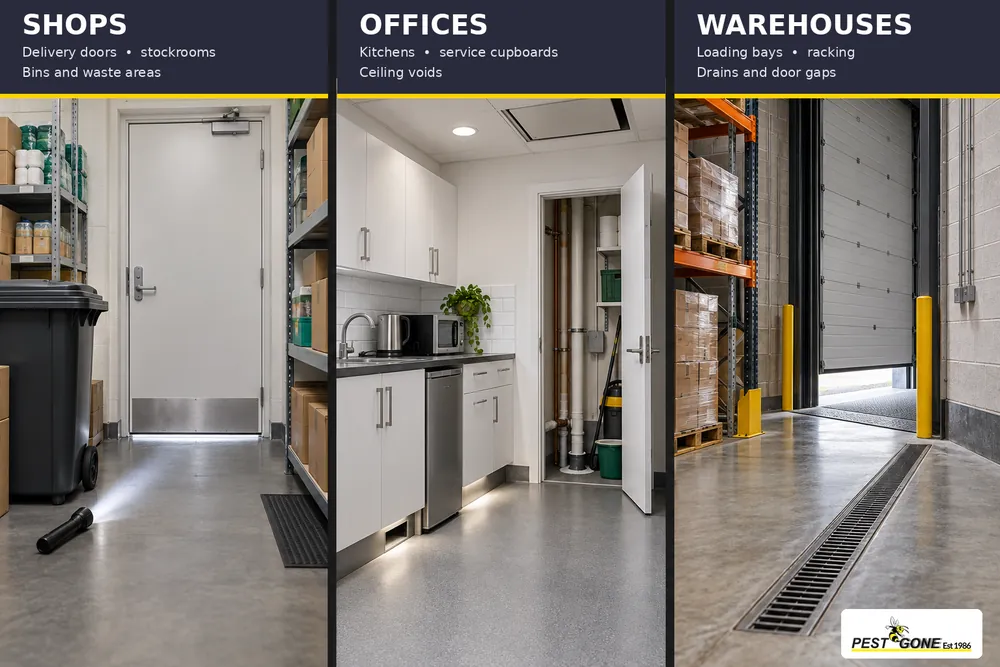
Retail pests often enter via deliveries, adjoining units, or utility gaps, remaining hidden behind fixtures or in back rooms while main areas look clean.
Routine Check List:
Offices provide pests with ample food, water, and shelter in quiet, undisturbed spaces. Establishing a clear reporting process for cleaning and maintenance staff helps catch early signs before problems grow.
Routine Check List:
Warehouses and distribution sites present unique challenges due to high stock turnover, expansive floor plans, and frequent deliveries where pests can hitchhike on pallets.
Routine Check List:
Maintaining clear inspection pathways along walls and practicing strict stock rotation ensure early signs like droppings or gnaw marks aren’t hidden for months.
Pigeons and other birds frequently roost around rooftops, ledges, loading bays, and warehouse entrances. Common warning signs include loose feathers, roof noise, and accumulated droppings on walkways or blocked gutters.
Before removing nests or applying deterrents, businesses must check local legal requirements. Wild birds, their eggs, and their nests are strictly protected by law, though specific exceptions may permit control measures.
Avoid cleaning every clue before the affected area has been assessed. Photographs, locations and dates can help a pest technician understand where activity is occurring.
Take sensible immediate steps:
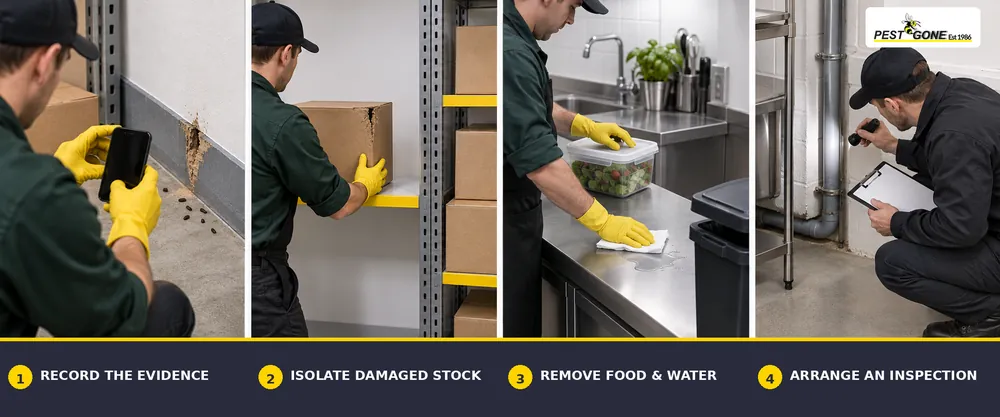
Do not rely on repeatedly treating the visible pest. If entry points, food sources and nesting areas remain, activity may return.
Pest Gone is a family-run company with more than 30 years of experience helping homes and businesses manage pest problems. We provide commercial pest control services across Bedfordshire, Milton Keynes and surrounding areas, including support for rodents, ants, fleas, wasps and pigeons.
Every property and pest problem is different, so we recommend treatment based on the signs, affected areas and type of premises. Discreet unmarked vehicles are also available, helping businesses address pest concerns without attracting unnecessary attention.
Droppings, damaged stock, unusual smells, and scratching sounds should never be ignored. Even one warning sign can point to activity in hidden storage areas, roof spaces, or wall cavities.
Request a free quote and arrange for professional help before the problem causes further damage or disruption.