How Long Does Ant Treatment Take to Work? What to Expect Afterwards
Understand ant treatment timescales, expected activity, aftercare precautions and when to ask your pest technician for a review.

TLDR
If you spot an ant trail in a commercial kitchen, alert the manager, pause work in the affected area and protect food from contamination. Contact a pest contractor promptly to assess the source and treatment needed while the person responsible for food safety decides which activities can continue safely.
Key Takeaways
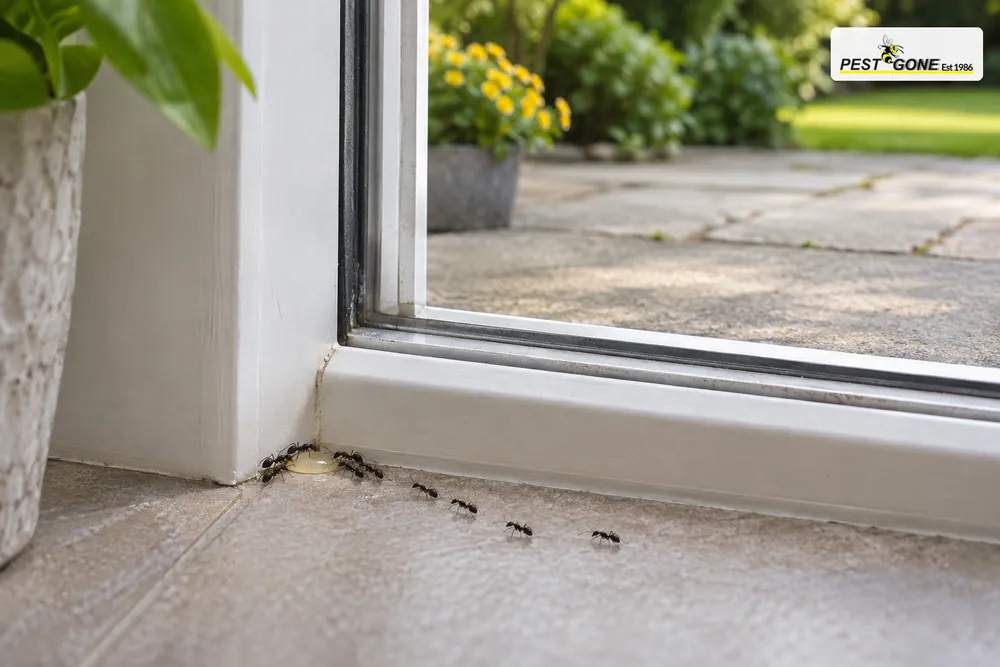
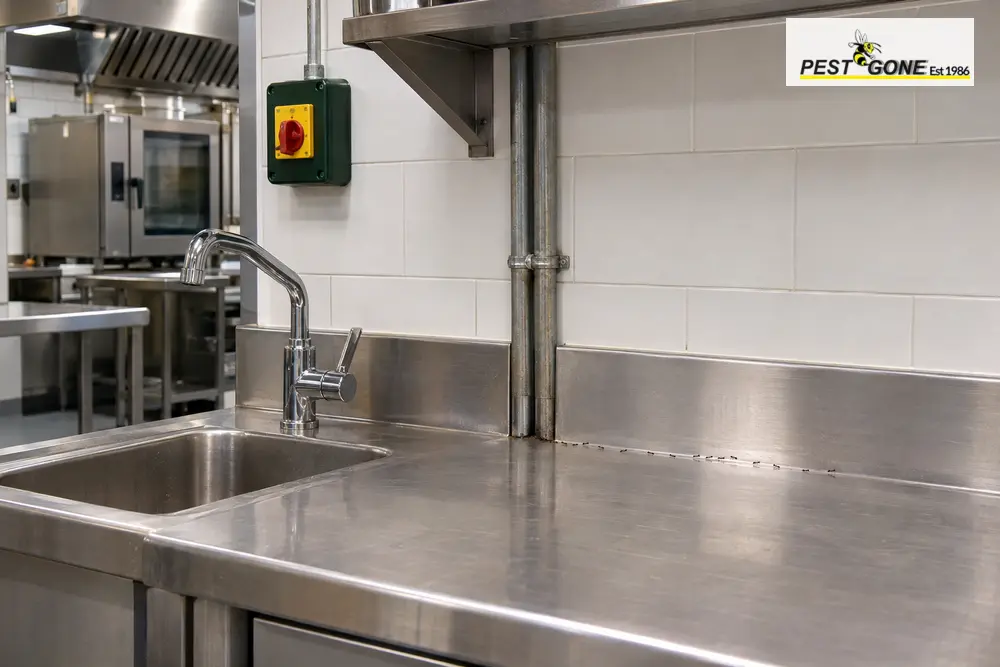
An ant trail beside the sink can interrupt an already busy service. Protecting food comes first, followed by checking the affected area and arranging professional advice.
Tell the kitchen manager or person responsible for food safety as soon as you spot the trail. Food Standards Agency guidance advises contacting a pest contractor immediately when there are signs of an infestation.
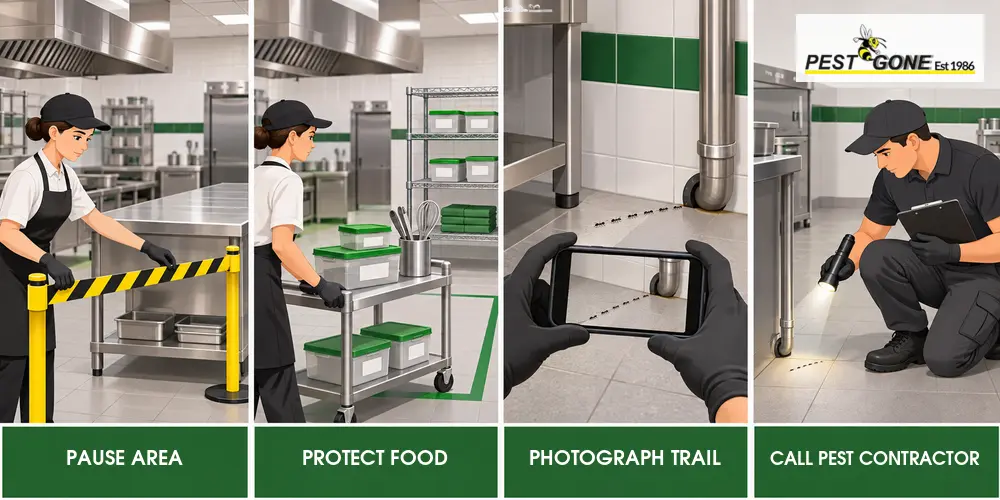
Stop food preparation at the affected bench, shelf, or piece of equipment while the kitchen manager assesses the problem. Tell colleagues about about which area is out of use.
If ants are crossing a sandwich preparation bench, for example, stop using that station. Moving the chopping board a few inches to leave the route through the workspace in place.
Discard food you suspect pests have touched. Wash, disinfect and dry affected equipment, utensils and surfaces before using them again.
Check nearby stock before moving it to a clean area. Protect unaffected ingredients in suitable food containers, keep their labels, and maintain the correct storage temperatures.
Take a close photograph of the ants and a wider view showing their location, provided this does not delay food protection or cleaning. These images can help the contractor assess the problem.
Note where the ants disappear, such as a pipe opening, door frame, or gap behind a unit. Avoid dismantling equipment or reaching behind hot appliances to follow them.
Spraying visible ants during service can contaminate the work area without addressing the source. Pest control chemicals and baits must not contact food, packaging, equipment or surfaces, so staff should not apply sprays or powders near food preparation areas without an agreed treatment plan.
If someone has already applied for a product, keep the container or photograph its label. Tell the manager and contractor where it was used so they can assess the precautions needed.
A clean-looking bench can hide sticky residues beneath a syrup dispenser or crumbs behind a bin. Check accessible areas around the trail as part of the cleaning response.
Look for:
Update the cleaning schedule where these areas are being missed, naming who checks each spot, how often and which products to use. GOV.UK guidance sets out these requirements for cleaning schedules.
The person responsible for food safety should assess whether food can remain protected during preparation, storage, and service. Stop any activity that cannot be done safely, keep the affected area out of use, and contact the pest contractor or local food safety team if needed.
Before restarting the station, make sure any contamination has been dealt with, and treatment restrictions have been followed. Visible ants disappearing does not, by itself, mean the area is safe to use again.
Cleaning helps keep the work area safe, but it does not tell you whether a colony is still there. Ask the contractor to look for the source and recommend the right treatment. Let them know whether ants have reached ingredients, equipment or more than one work area, and mention any previous sightings or products used.
Have this information ready:
Ask how to prepare for the visit, which areas need to stay out of use and how they will check progress. Make sure the kitchen team knows what to do.
Record the sighting, affected stock, cleaning completed, and advice received in the kitchen’s food safety records. List any areas or equipment still out of use.
Name the person responsible for the next check and any outstanding action. Keep contractor reports with the relevant records and track recommended repairs through completion.
Once the immediate problem is being handled, review how food enters the kitchen, where stock is stored and which repairs are overdue. Give the contractor these details so prevention measures address the conditions at your premises.
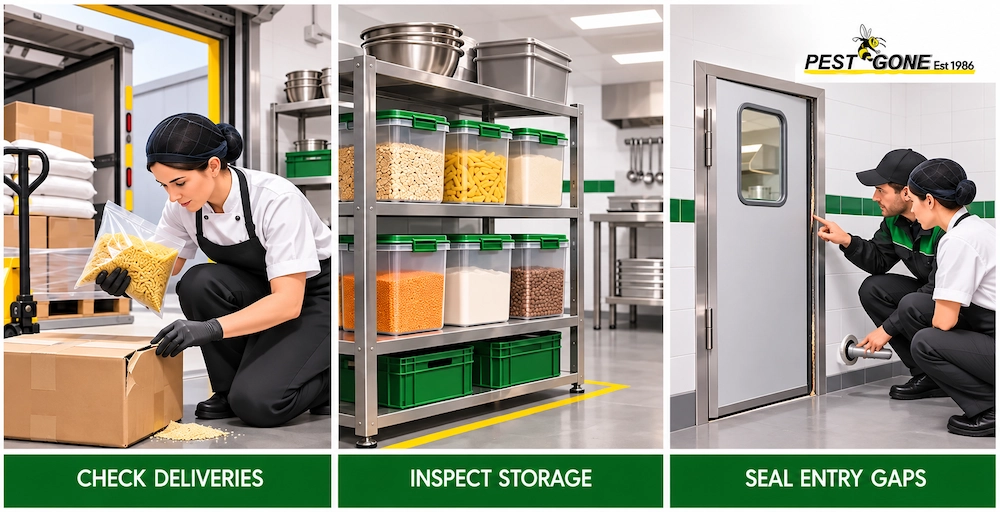
Inspect stock before putting it away, looking for insects, damaged packaging, and spilled ingredients. If you find evidence of pests, keep the affected goods out of food preparation areas and raise the issue with the supplier.
Give the person deliveries enough time and space to complete these checks. A delivery left for the busiest member of staff to unpack between orders is easier to overlook.
Keep dry goods in suitable containers with properly fitting lids and replace cracked containers or damaged seals. Store food off the floor and leave enough space around shelving to check for activity and clean effectively.
Avoid packing every gap with spare cartons or unused equipment. Staff should be able to see the floor edges and reach stored ingredients without moving a pile of boxes first.
Check for worn door seals, gaps around service pipes, and damage where walls or floors meet. Ask the technician which openings need attention and when repairs should be carried out, especially if inspection or treatment is still in progress.
In a shared building, tell the property manager if activity seems to follow communal pipework or affect neighbouring units. The contractor may need access beyond your kitchen to assess the full problem.
Pest Gone is a family-run pest control business founded in 1986, serving homes and commercial premises across Bedfordshire, South Cambridgeshire, Milton Keynes and surrounding areas. Our experienced team uses unmarked vehicles to provide a discreet, professional service for domestic and commercial customers.
Our ant control service begins with a thorough assessment of the affected property. We develop a treatment plan suited to the premises, explain the work required clearly, and focus on identifying and addressing the source of the activity rather than only treating visible ants.
Contact Pest Gone
If you have spotted an ant trail in your commercial kitchen, contact Pest Gone to discuss the problem. Tell us where the ants are active and whether food preparation is affected so we can advise on the next step.
Call 01234 960798 or email us to request help.