Signs of Fleas in the House: 7 Clues Your Heating Could Be Waking Them Up
Spot the 7 signs of fleas in the house, from itchy bites to scratching pets. Learn how central heating affects flea activity and when to seek expert help.

TL;DR: DIY rodent treatment can give short-term relief, but it often misses the access points, nesting spots, or attractants that keep the problem going. If rats or mice return after traps or bait, a professional inspection can help find the cause and stop the cycle.
Key Takeaways
You set a few traps, clean the cupboards, and for a while it feels like the problem is sorted. Then the scratching starts again, or you spot fresh droppings, and it is clear the rodents have not really gone.
This usually happens because DIY treatment deals with the signs you can see, not the reason rats or mice got in. If there is still a gap, food source, or hiding place nearby, they have every reason to come back.
Rodents are good at staying hidden. You might only notice them when they leave droppings, chew packaging, or make noise at night.
When traps stop catching or the noise stops, it is easy to think the problem is over. Often, rodents have only moved to a hidden spot, such as a loft, wall space, garage, shed, or under the floor, so the signs can return quickly.
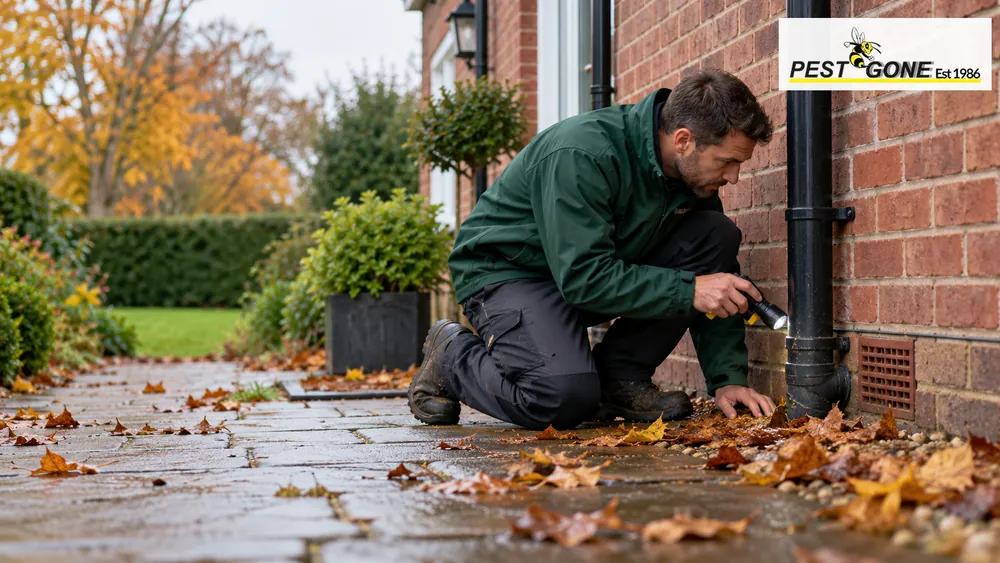
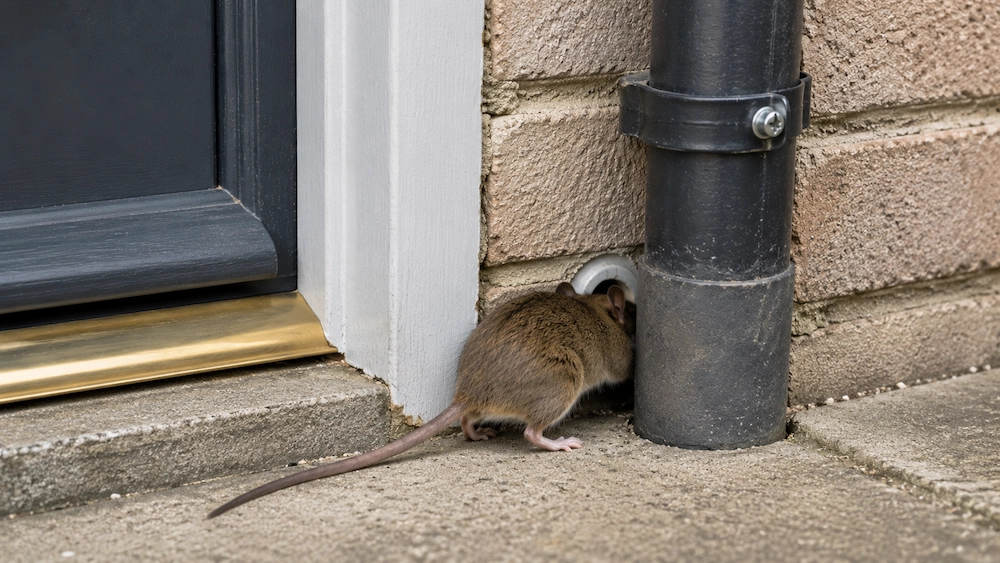
Many people put traps where they first see droppings or damage, such as a cupboard, utility room, or garage. But the real entry point may be elsewhere, with rodents slipping in through gaps around pipes, drains, vents, or damaged brickwork before reaching the area you notice.
If rodents can still get in, they are likely to keep trying. This is one of the main reasons DIY treatment only works for a short time.
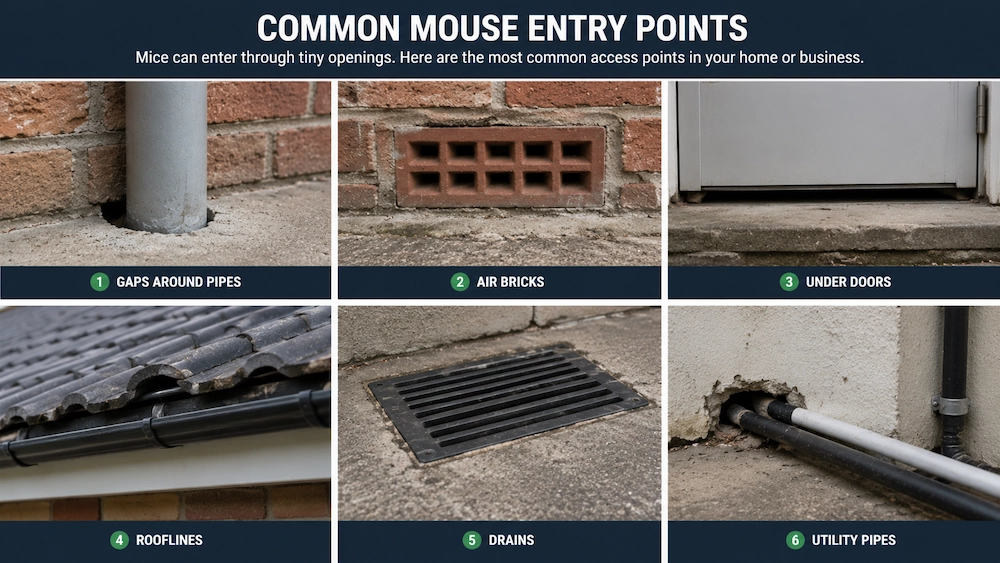
Rats and mice do not need a large opening to enter a property. They can use small spaces around pipes, air bricks, doors, rooflines, drains, and utility points.
These gaps are often tucked away in places you would not normally check. They may be behind units, under decking, around sheds, near drains, or along shared walls.
It is tempting to block the first gap you find and hope that solves it. The problem is that rodents can chew through weak materials or find another route nearby.
There is also a risk of sealing rodents inside if proofing is done too soon. That can lead to more noise, damage, or unpleasant smells.
Rodents come indoors because the property offers something useful. That might be food, warmth, shelter, or a safe place to nest.
Rats and mice do not need much food to stick around. Common attractants include:
Rodents look for quiet places where they can hide and nest, such as:
Cleaning helps, but it will not solve the issue if rodents can still get in and hide.
Traps and bait only work well when they are placed in the right spots. Guessing can lead to poor results, even if the product itself is not the problem.
Rodents usually stick to edges, gaps, and hidden routes where they feel safe. If a trap is placed away from those paths, they may walk past it every night, which is why a trap in the middle of the room often does very little.
Rats and mice can be wary of new objects, especially when other food is nearby. Once they know a route, they often stick to it. A pest control technician checks clues like droppings, rub marks, gnawing, nesting material, footprints, and damaged insulation to see where rodents are really moving.
A few early signs can turn into a bigger problem if the cause is left alone. Rodents can breed quickly when they have food, shelter, and a quiet place to hide, so one sighting or one noise may only be part of what is happening.
DIY traps may catch a few rodents, but they may not reach the whole problem. If nesting areas and entry points are still active, it can feel like rodents keep coming back when they may never have fully left.
Shop bought traps and bait can help in some cases, but they are not a full fix on their own. If they are placed in the wrong spot, rodents may avoid them completely, leaving you thinking the product has failed when the real issue is the location.
They also need to be used safely, especially around children, pets, vulnerable people, food areas, staff, customers, and stock. A professional can place control measures properly, check whether they are working, and reduce the risk of creating extra problems.
Sometimes the source of rodent activity is outside the property. If that is missed, the same issue can keep returning indoors.
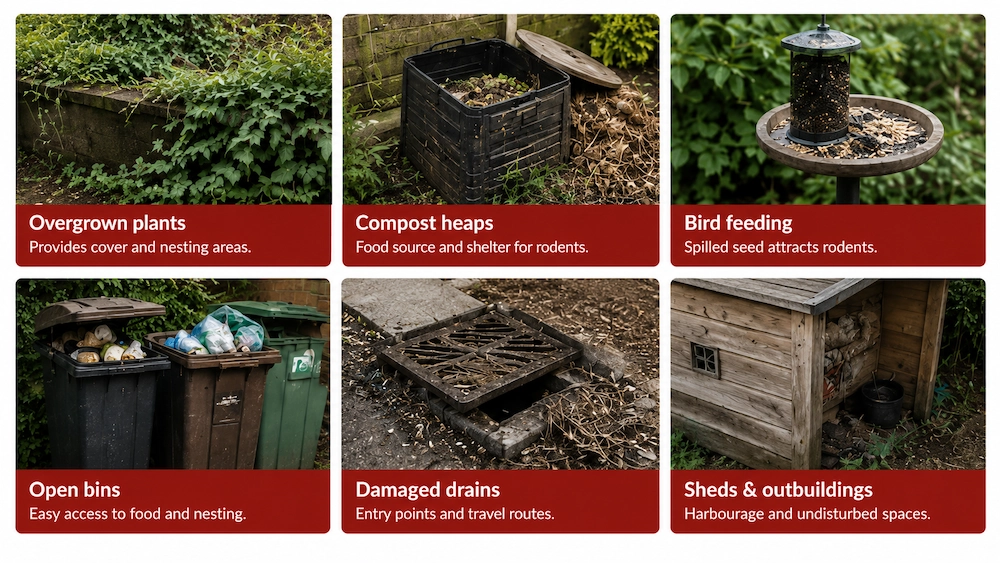
Overgrown plants, compost heaps, bird feeding, open bins, damaged drains, sheds, and decking can all attract rodents. Neighbouring properties can also play a part.
Even if the inside of your home or business is tidy, rodents may still be active nearby. Once they find a gap, they can move inside for warmth and shelter.
Terraced homes, flats, commercial units, and mixed use buildings can give rodents more ways to move around. They may travel through shared walls, ceilings, service routes, drains, or storage spaces.
In these cases, treating one room may not be enough. A wider inspection can show whether the problem is linked to another part of the building.
If the same signs keep returning, the cause has probably not been fixed. Getting help early can save time, stress, and further damage.
Fresh droppings, scratching, gnawing sounds, chewed packaging, damaged insulation, gnawed wiring, nesting material, odd smells, or repeat sightings can all mean rodents are still active. If these signs return after DIY treatment, or you cannot find how rodents are getting in, it is time to call a professional.
For businesses, rodents can affect hygiene, stock, staff, customers, and reputation. For landlords and property managers, repeat issues can lead to complaints and property damage. A professional visit helps deal with the problem quickly, show it is being taken seriously, and reduce the risk of it getting worse.
Professional rodent pest control starts by finding out why rats or mice are there in the first place. A technician checks for entry points, nesting areas, food sources, droppings, gnaw marks, rub marks, and travel routes, so treatment can be placed where it is most likely to work.
Follow up is also important, especially when rodents have returned before. It helps confirm whether the activity has stopped and gives you clear advice on proofing, food storage, waste handling, cleaning, and outside areas that may be attracting them.
At Pest Gone, we help homeowners, landlords, tenants, and businesses deal with rodent problems across Bedfordshire, Milton Keynes, and nearby areas. We are a local, family run team with over 30 years of experience, and we keep our advice clear, practical, and easy to understand.
We inspect your property, explain what we find, and recommend a treatment plan that suits the problem. We also work discreetly, including unmarked vehicles, and take care around children, pets, your property, and the surrounding area, so you can get the issue sorted without extra stress. For reliable rat control in Bedford, we can identify the source of the problem and help put the right measures in place.
If rodents keep returning after DIY treatment, it is usually a sign that something has been missed. It could be an open entry point, a hidden nest, a food source, or activity outside the property.
You do not have to keep setting traps and hoping for the best. A professional inspection can show what is happening and help stop the cycle.