Signs of Fleas in the House: 7 Clues Your Heating Could Be Waking Them Up
Spot the 7 signs of fleas in the house, from itchy bites to scratching pets. Learn how central heating affects flea activity and when to seek expert help.

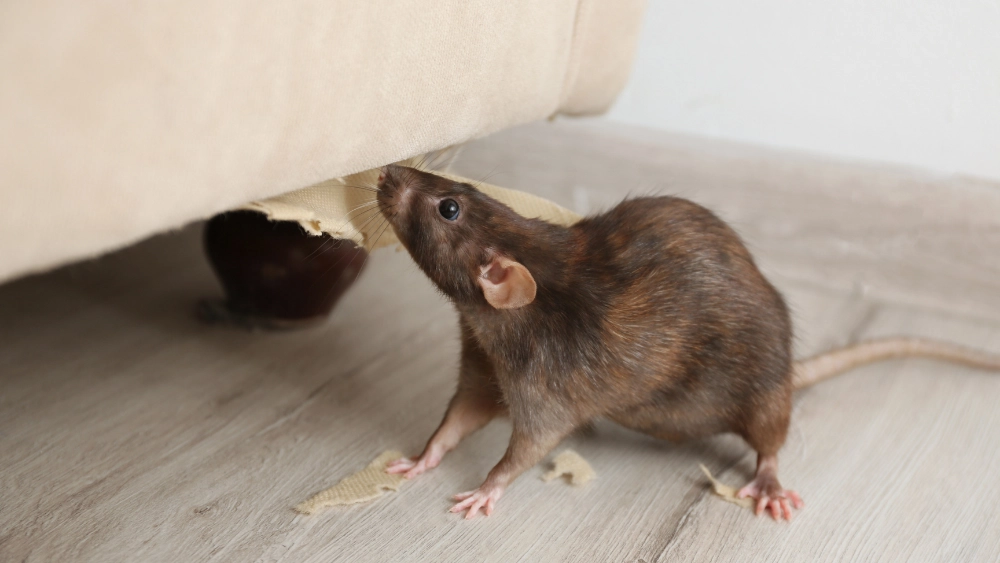
TL;DR: Rats and mice often get into homes through small gaps around pipes, vents, doors, drains, rooflines, and brickwork. If the same signs keep returning, the entry point or food source probably has not been dealt with yet.
Key Takeaways
Rats and mice do not need much space to get into a home. A small gap, an easy food source, or a quiet route from outside can be enough for them to move in.
For many Bedfordshire homeowners, the bigger problem is when rodents keep coming back. This guide explains how they get inside, why the issue can return, and what to check before it gets worse.
Rodents are usually looking for food, warmth, shelter, and a safe route indoors. If a property gives them easy access to those things, rats and mice may return even after some activity has been reduced.
Bedfordshire has older homes, newer estates, gardens, garages, outbuildings, drains, farms, and commercial areas sitting close together in many places. That mix can give rodents plenty of cover, movement routes, and weak spots around buildings.
Small gaps around brickwork, vents, pipes, cables, damaged mortar, and old service holes can give rodents an easy way into a home. These openings are easy to miss during normal checks, especially when they sit low to the ground or behind fixtures.
Gardens can attract rodents when they provide shelter and easy food. Overgrown edges, stacked timber, sheds, decking, compost areas, bird seed, pet food, and overflowing bins can all make a property more appealing.
Rats can climb, dig, and squeeze through awkward spaces, but drains are one of the routes homeowners often overlook. Damaged drains, poor covers, old pipework, and broken connections can give rats a hidden way to reach the property.
Rats and mice rarely make their entry obvious. Most of the time, they use gaps that sit behind appliances, under doors, around pipework, or near parts of the home that are not checked often.
The problem is often not one large hole. It is usually a handful of small weak points around the property that give rodents enough chances to get inside.
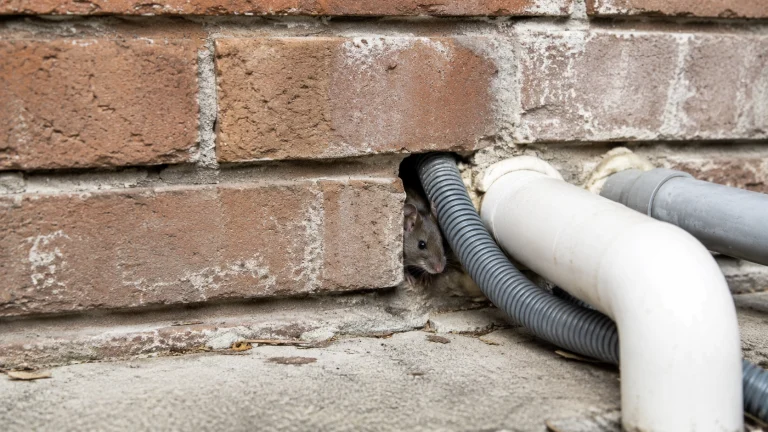
Pipe and cable gaps are common entry points, especially where services pass through walls, floors, or kitchen areas. Check these spots:
If these gaps are not sealed properly, rats and mice can get in and travel behind units, under floors, or through wall spaces.
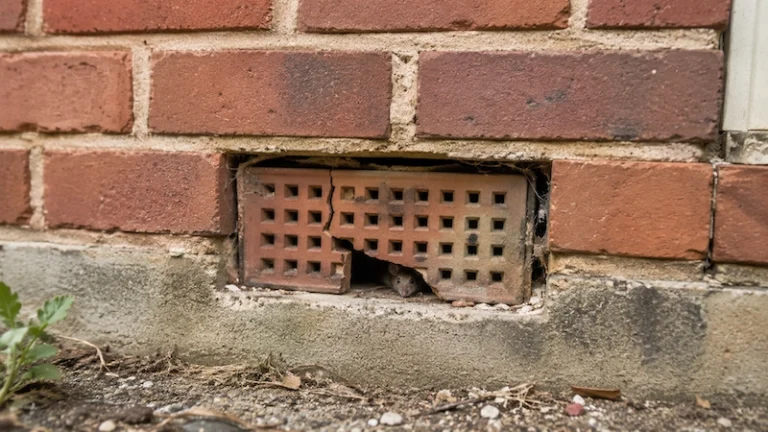
Damaged vents and air bricks can give rodents an easy way in, even if they look fine at a glance. Check these areas carefully:
Mice can squeeze through small openings, while rats may use larger cracks or broken sections.
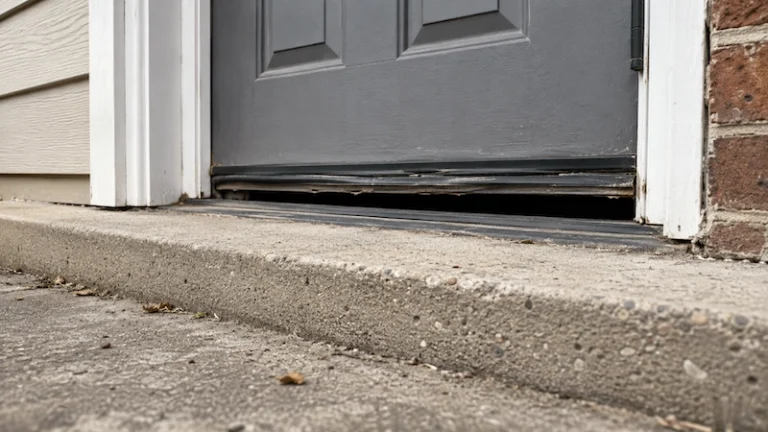
Door and garage gaps are easy to overlook, but they can give rodents a simple way in. Check for:
Once rodents get into a garage, they may find another route into the main house.
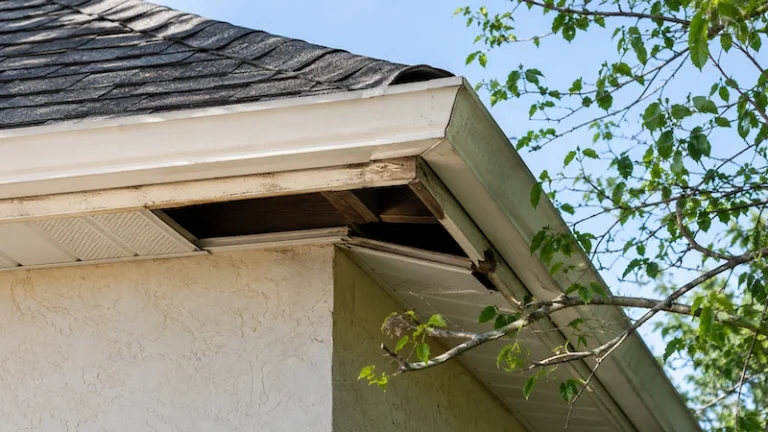
Rodents can also get in from above, not just at ground level. Check for:
If you hear scratching above the ceiling, the entry point may be near the roof or loft rather than the floor.
Once rats or mice get indoors, they usually stay out of sight and use hidden routes through walls, floors, edges, and fitted areas. That is why you may hear scratching in one room but find droppings somewhere else, making the problem harder to track without checking the spaces they are most likely to use.
Wall cavities and underfloor spaces give rodents quiet routes through the property. They can move between rooms without being seen, which makes the activity harder to track.
This is why DIY treatment can feel like guesswork. You may catch activity in one cupboard, but the rodents may still be travelling through another hidden route.
Kitchens are a common target because they offer warmth, water, crumbs, and stored food. Rodents often move behind appliances, under units, and behind kitchen plinths where they are rarely disturbed.
Droppings under the sink, chewed food packets, or scratching behind units should be taken seriously. These signs can mean rodents are using the kitchen as part of their regular route.
Lofts can provide warmth, shelter, and nesting material. Insulation, cardboard boxes, stored fabrics, and quiet corners can all attract rodents once they find a way in.
Night-time noise in the loft is often easier to hear because the house is quiet. If the sound keeps coming back, check for droppings, damaged insulation, nesting material, and possible entry gaps.
A repeat infestation usually means the root cause was not fixed. Traps or bait may reduce activity for a while, but they will not stop new rodents entering if the property is still easy to access.
Longer-term control means looking at the conditions that made the home attractive in the first place. Food, shelter, access points, and nearby activity all matter.
Rodents do not need much food to stick around. Crumbs, open cereal boxes, pet food, bird seed, food waste, compost scraps, and poorly sealed bins can all attract them. This does not mean your home is dirty. It means rats and mice take easy food wherever they can find it.
Rodents can come back if entry points are left open, so sealing one obvious hole is rarely enough. Check gaps around pipes, cables, vents, doors, rooflines, and brickwork. Use strong proofing materials too, because rats and mice can chew through soft foam, weak fillers, and quick temporary repairs.
Rodent problems can start outside your home, especially near shared drains, gardens, bins, fields, takeaways, warehouses, building work, or neglected outbuildings. You cannot control every nearby source, but you can make your property harder to enter and less appealing by sealing gaps, managing food waste, and reducing shelter.
DIY traps and bait may catch some rodents, but they do not always show how the animals are getting in. If the route is missed, the signs can disappear for a short time and then return.
This is common when activity is hidden in lofts, wall cavities, garages, or drains. A proper inspection helps identify the pattern instead of only reacting to the latest sign.
You may not see the exact hole, but repeated signs in the same area can point to an entry problem. Check around pipes, cupboards, lofts, skirting boards, and hidden corners for droppings, gnaw marks, greasy smudges, musty smells, scratching noises, disturbed insulation, or chewed packaging.
Timing can also help you understand what is happening. If signs appear after cold weather, heavy rain, building work, or changes around bins and gardens, rats or mice may have moved indoors because conditions outside changed.
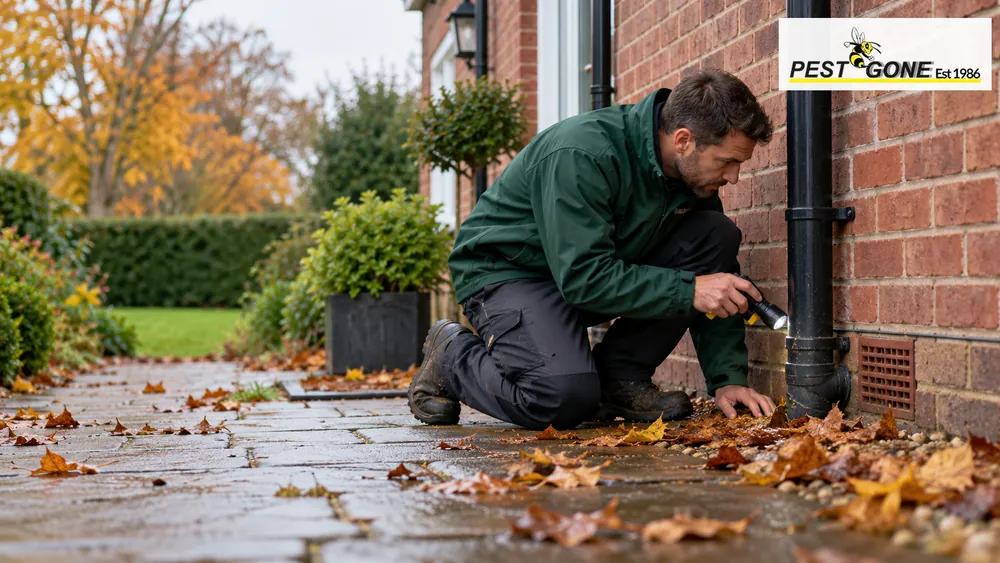
A quick check around the home can help you spot where the problem may be starting without pulling the property apart. Look outside for gaps around vents, pipes, doors, sheds, decking, bins, compost areas, and overgrown edges, then check inside under sinks, behind appliances, in cupboards, garages, lofts, and near stored food.
If it is safe, take photos of droppings, holes, gnaw marks, or damage so a technician can see where the activity seems strongest. Do not touch droppings, nests, or dead rodents with bare hands, and get professional help if the signs are spreading, repeated, or close to food areas.
We are a local, family-run pest control company serving Bedfordshire, Milton Keynes, South Cambridgeshire, and nearby areas, with more than 30 years of experience helping homes, landlords, and businesses deal with rodent problems properly. When we attend a rat or mouse issue, we check the signs, likely entry points, food sources, movement routes, and reasons the problem may keep coming back.
We keep our service safe, discreet, and straightforward, and we explain what we find in plain English so you know what needs to happen next. Unmarked vehicles are available if you want the visit kept low-key, which is useful for homes, rental properties, shops, offices, restaurants, and other businesses. If you need rat control in Bedford, we can assess the problem and recommend the right approach for your property.
If rats or mice are getting into your home, waiting will not close the entry point. The sooner the route is found, the easier it is to stop the problem from growing or coming back.
Contact Pest Gone for professional rat and mouse control.