Signs of Fleas in the House: 7 Clues Your Heating Could Be Waking Them Up
Spot the 7 signs of fleas in the house, from itchy bites to scratching pets. Learn how central heating affects flea activity and when to seek expert help.

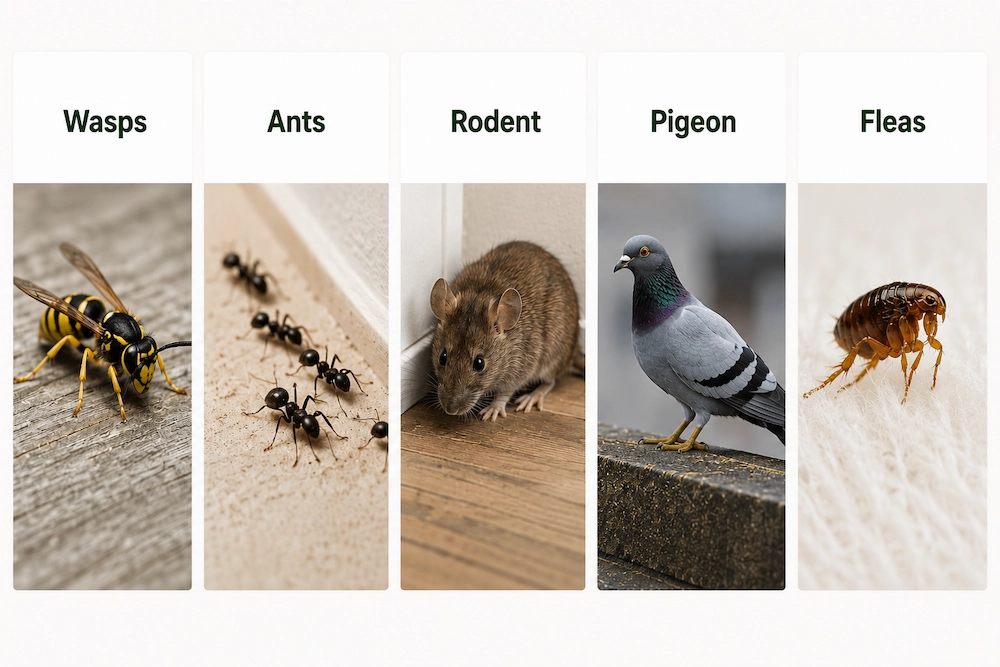
TL;DR: Bedfordshire properties commonly face pest issues from rodents, wasps, ants, fleas, and pigeons. These pests often go unnoticed until they cause damage or hygiene issues. Recognising early warning signs and understanding what attracts pests can help prevent small problems from becoming costly infestations.
Key Takeaways
Pests often go unnoticed until signs such as scratching in the loft, droppings in cupboards, wasps around rooflines, or ants near kitchen doors begin to appear. Knowing the most common pest problems in Bedfordshire can help you catch them early before they worsen.
Why Bedfordshire Attracts Pests
Bedfordshire’s mix of homes, businesses, farms, and public buildings gives pests plenty of places to find food, shelter, and nesting spots. They often go unnoticed in areas people rarely check, such as lofts, wall cavities, storage spaces, and roof voids.
A pest problem is not always a sign of poor hygiene, as even clean properties can attract rodents, wasps, ants, fleas, or pigeons through small gaps and sheltered spaces. In homes and businesses alike, unchecked pest activity can affect comfort, safety, and reputation.
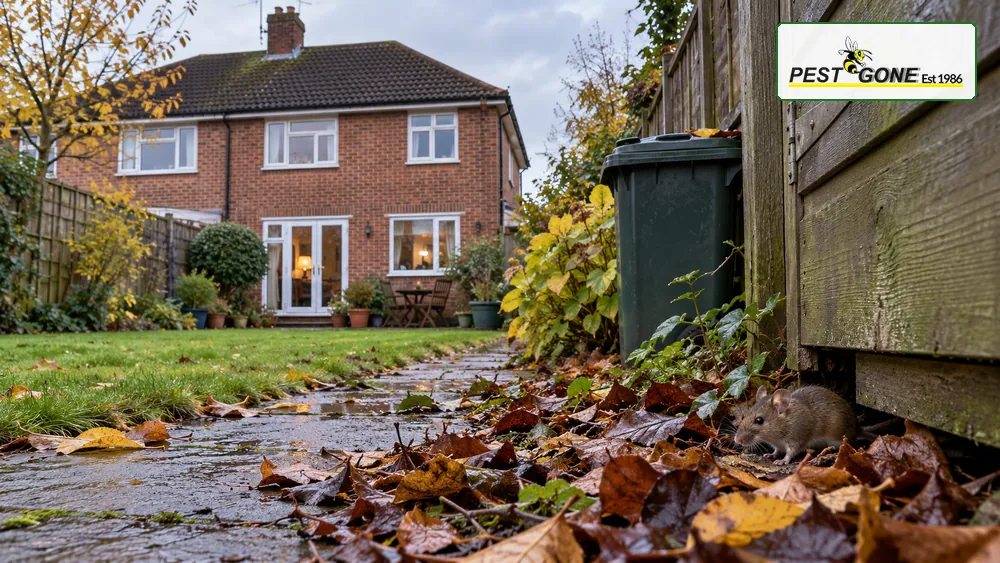
Rats and mice often find their way into Bedfordshire homes and businesses through surprisingly small gaps. Once inside, they look for easy access to food, water, and sheltered places to nest.
Many infestations begin unnoticed because rodents are most active when people are asleep or areas are quiet. Spotting the signs early can help prevent a much larger problem from developing.
Rodent problems often begin with subtle signs like scratching noises, droppings, damaged packaging, or unusual smells. Because rats and mice breed quickly and stay hidden, seeing one in a kitchen, stockroom, garden, or garage may indicate a larger infestation nearby.
In homes, rodents can chew wires, damage insulation, contaminate surfaces, and return if entry points remain open. In businesses, they can damage stock, contaminate food, create hygiene issues, and disrupt operations.
Wasps are a familiar warm weather pest across Bedfordshire, especially around roof spaces, gardens, and commercial premises. Repeated wasp activity in the same spot often suggests a nearby nest.
Many nests remain hidden inside wall cavities, lofts, sheds, or under roof tiles, making them difficult to spot until activity increases. As colonies grow through summer, increased wasp activity can raise the risk to people nearby.
A wasp nest can be hidden in roof spaces, wall cavities, sheds, or behind cladding, making its size hard to judge. Disturbing a nest or blocking its entry point can make wasps more aggressive, especially in busy areas where people regularly pass through.
Wasps can disrupt homes and businesses, causing people to avoid certain areas even without stings. If wasps keep appearing around a loft, window, patio, or outdoor area, it is worth checking for a hidden nest before it becomes more active.
Ants may seem harmless, but they are often drawn to kitchens, food areas, bins, pet bowls, patios, and small gaps around Bedfordshire properties.
Wiping surfaces may remove visible ants, but repeated activity usually means the colony is still active and following established trails to food. In businesses, recurring ants can create hygiene and reputation concerns, especially in food prep and customer-facing areas.
A few ants near a door may be manageable, but repeated trails, large numbers, or activity in multiple rooms can signal a larger infestation. Nests are often hidden under paving, patios, brickwork, or nearby garden areas.
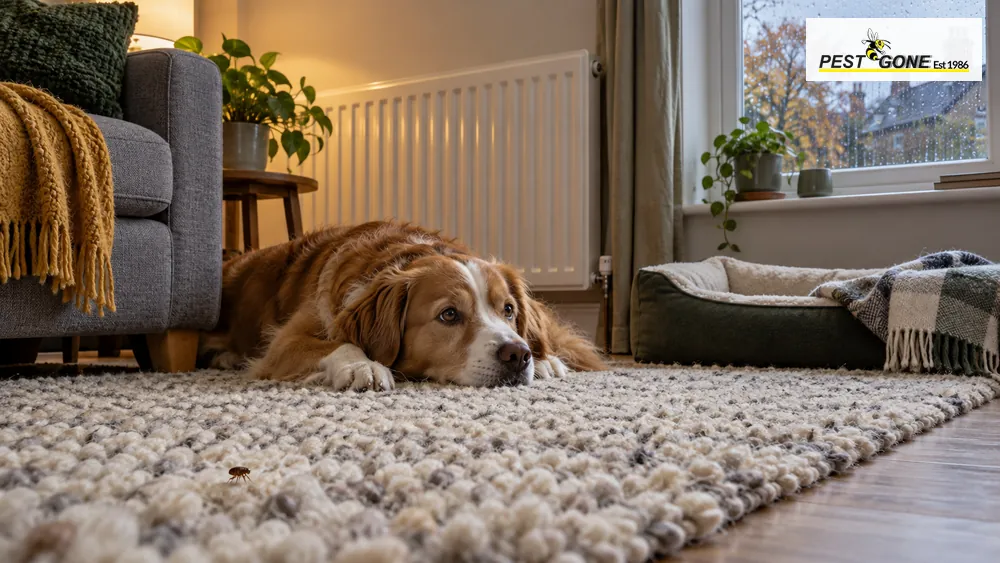
Fleas are a frustrating pest problem that can affect both people and pets. They are often brought in by pets, wildlife, or previous occupants and can spread into carpets, bedding, and soft furnishings unnoticed.
Because fleas are so small, many infestations go undetected until bites become more frequent, or pets start showing signs of irritation. By that stage, the problem may already be affecting multiple rooms throughout the property.
Many people only notice fleas after bites appear, or pets start scratching more than usual, even though fleas may already be in carpets and furniture. Treating the pet alone is often not enough, as flea eggs and larvae can remain indoors and keep the infestation going.
Although fleas are often linked to homes, they can also affect rental properties, shared accommodation, offices, and businesses where animals are present. Early action helps prevent infestation from spreading. Professional flea removal can help identify the source of the infestation and address the problem thoroughly.
Pigeons often seem harmless when they are perched on a roof, ledge, or gutter. However, regular roosting can quickly lead to a buildup of droppings and nesting materials around the property.
Over time, this can block gutters, stain walls, and create slippery surfaces. It may also cause damage to roof areas and solar panels if left unchecked.
Pigeon droppings can quickly build around entrances, roofs, vehicles, gutters, and walkways, creating slip hazards and making a property look neglected. For homes and businesses, ongoing pigeon activity can damage roofs, affect access areas, and create a poor impression.
Effective pigeon control focuses on preventing birds from returning, not just cleaning up the mess they leave behind. Proper proofing targets the areas where pigeons land and nest, helping reduce repeat activity and providing a longer-term solution for properties with ongoing bird problems.
Some pest issues stay hidden in wall voids, roof spaces, basements, and storage areas, making a professional inspection essential to identify the source and choose the right treatment. Depending on the findings, treatment may include:
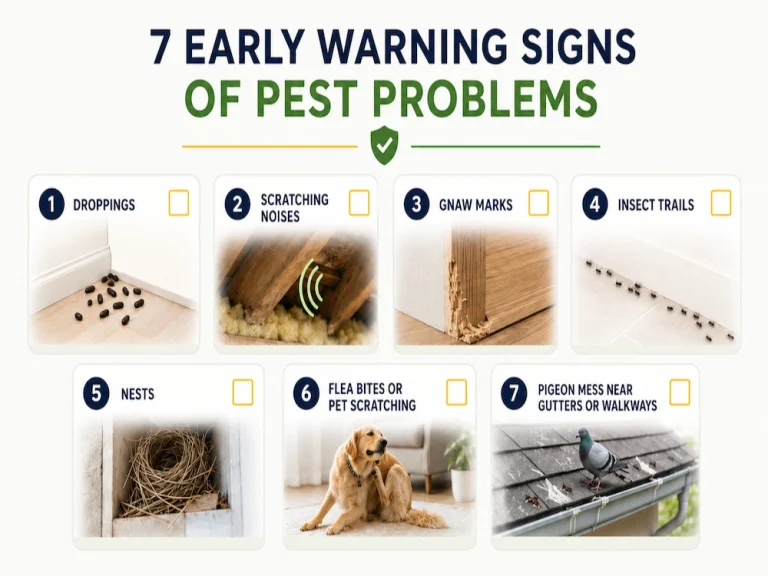
Repeated signs such as droppings, scratching noises, gnaw marks, insect trails, nests, or frequent pest sightings should never be ignored, even if they seem minor at first. These warning signs often suggest a pest problem that is becoming established behind the scenes.
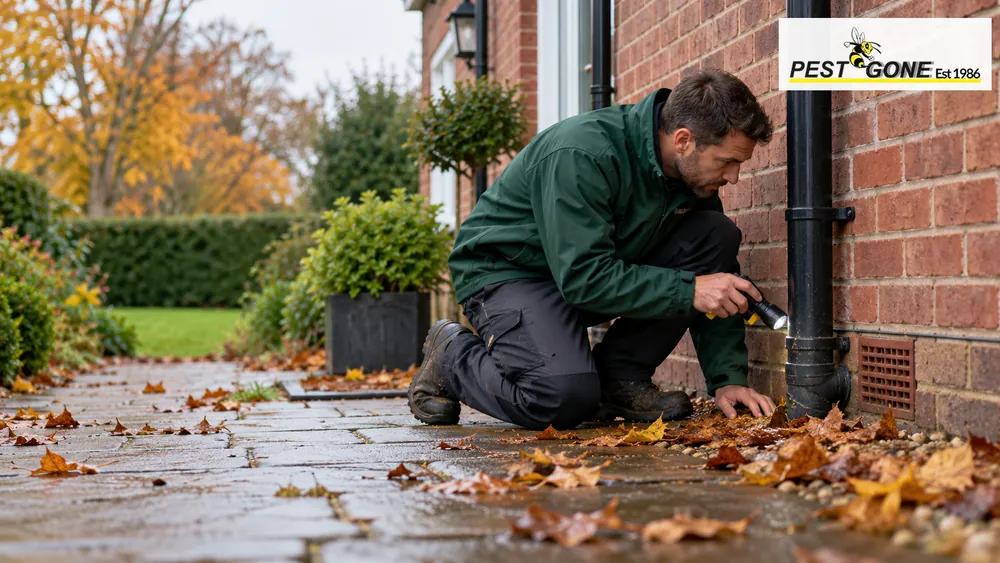
Pay attention to where the activity appears, as areas like kitchens, lofts, bins, drains, stockrooms, and rooflines can reveal how pests are getting in. If the same issue keeps returning despite cleaning or DIY treatments, there is likely a larger problem that needs proper attention.
DIY pest control can help with prevention, but it often falls short when dealing with an active infestation. Many products only target the pests you can see while the nest, colony, or source of the problem remains hidden.
Using the wrong treatment can also create safety risks or make infestation harder to control. Identifying the pest and understanding how it is getting into the property allows for a more effective solution instead of relying on guesswork.
Preventing pest problems often comes down to a few simple habits. Keep bins secure, clean up food spills promptly, store food properly, and deal with gaps, clutter, or maintenance issues that could give pests easy access.
Regular checks around the property can help you spot problems before they become harder to manage. Businesses should pay close attention to waste and storage areas, while homeowners should watch seasonal signs such as wasps, rodents, ants, fleas, and pigeon activity.
Pest Gone is a local, family-run pest control company serving Bedfordshire, Milton Keynes, and surrounding areas. With over 30 years of experience, the team handles wasps, rodents, ants, fleas, pigeons, and other pest infestations for homes and businesses.
The service is built around practical advice, safe treatment, friendly technicians, and discreet visits using unmarked vehicles. Pest Gone provides local support for homeowners, landlords, tenants, and businesses facing pest problems in the area.
If you have noticed scratching sounds, droppings, wasps, ants, flea bites, pigeon mess, or other recurring pest activity, act early before the problem worsens. A quick conversation can help you understand what you are dealing with and what the next step should be.