Signs of Fleas in the House: 7 Clues Your Heating Could Be Waking Them Up
Spot the 7 signs of fleas in the house, from itchy bites to scratching pets. Learn how central heating affects flea activity and when to seek expert help.

TL;DR: When a tenant reports pests, respond promptly, inspect the property, and identify the cause before deciding who is responsible. Effective control may require professional treatment, building repairs, clear communication, and follow-up monitoring.
Key Takeaways
A message about scratching in the loft, droppings beneath a kitchen unit, or insects appearing in a bedroom can put any landlord on alert. The problem may be small, but leaving it unanswered can allow an infestation to spread and make the tenant feel ignored.
A calm, organised response protects the people living in the property and helps prevent avoidable damage. It also gives you the information needed to decide who should arrange the next step and whether professional pest control is required.
Reply promptly, even if you cannot arrange an inspection straight away. Ask the tenant what they noticed, where they found it, and when the problem began.
Photos and short videos can help you understand the situation before visiting. Keep the conversation friendly and avoid blaming anyone until the cause has been properly assessed.
Some pest problems require faster action, especially when people, food, or the property may be at risk. Consider vulnerable occupants, children, and pets when deciding how quickly to respond.
Warning signs include:
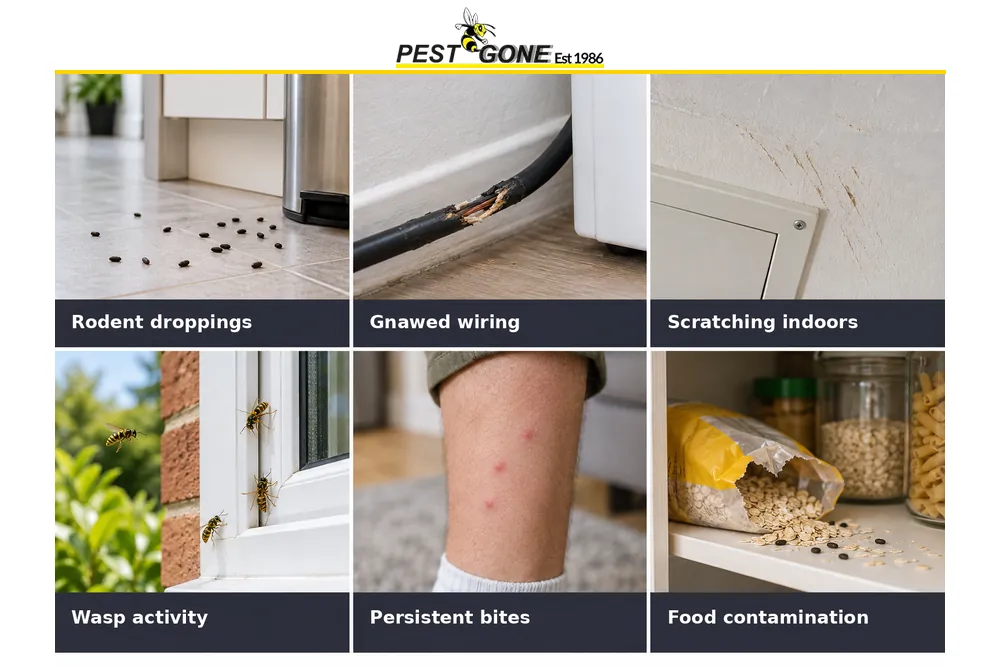
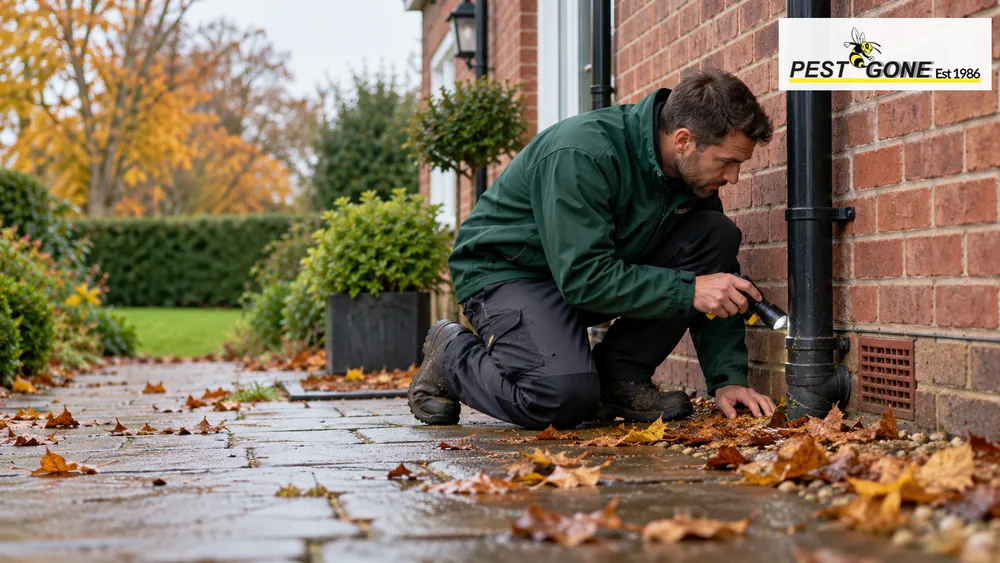
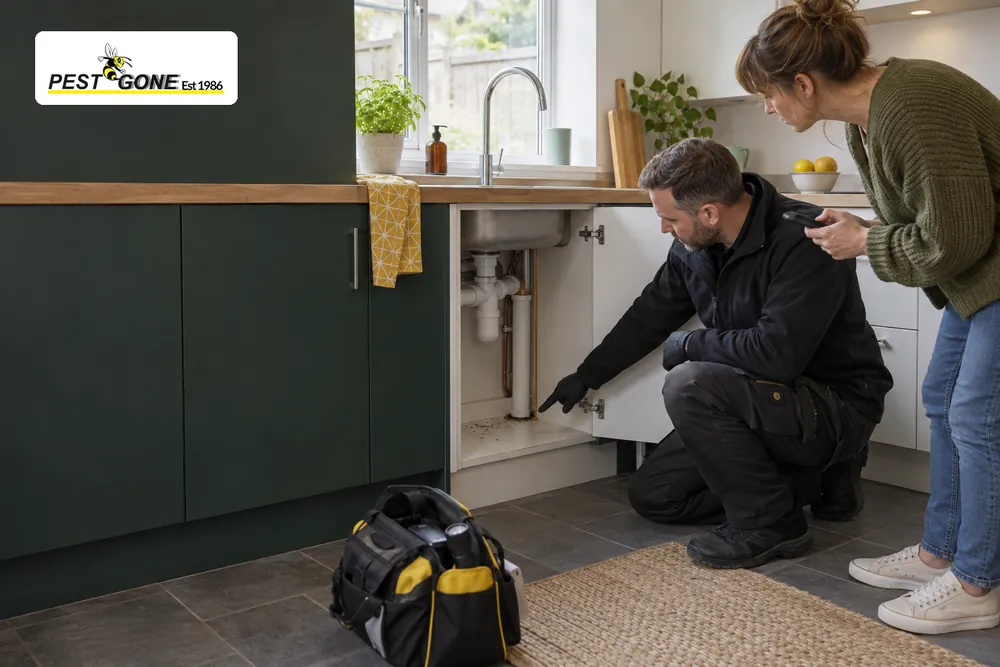
Determining who is responsible for a pest issue is not always immediately clear, as the cause can range from building defects to tenant habits or nearby infestations. Inspect the affected areas yourself if it is safe to do so, or bring in an experienced pest controller who can look beyond visible signs to identify access points, nests, and food sources.
Unless it is an emergency, give your tenant at least 24 hours’ notice before visiting, ensuring access arrangements comply with government guidance and your tenancy agreement. Finally, document everything you find with photos, notes, and contractor reports to keep communication clear and establish the next steps.
Pests enter rental properties for many reasons, so avoid assuming poor housekeeping without clear evidence. Common causes include:
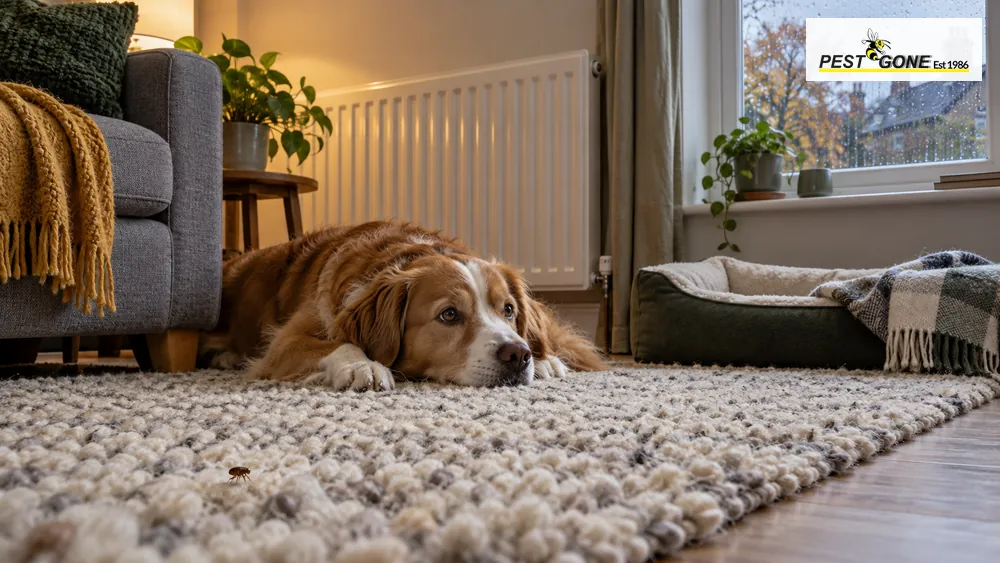
Wasps may build nests in soffits, wall cavities, sheds, or lofts without anything the tenant has done. Fleas can remain in carpets after a previous tenancy and may require professional flea pest control, while pigeons may settle beneath damaged roof features or solar panels.
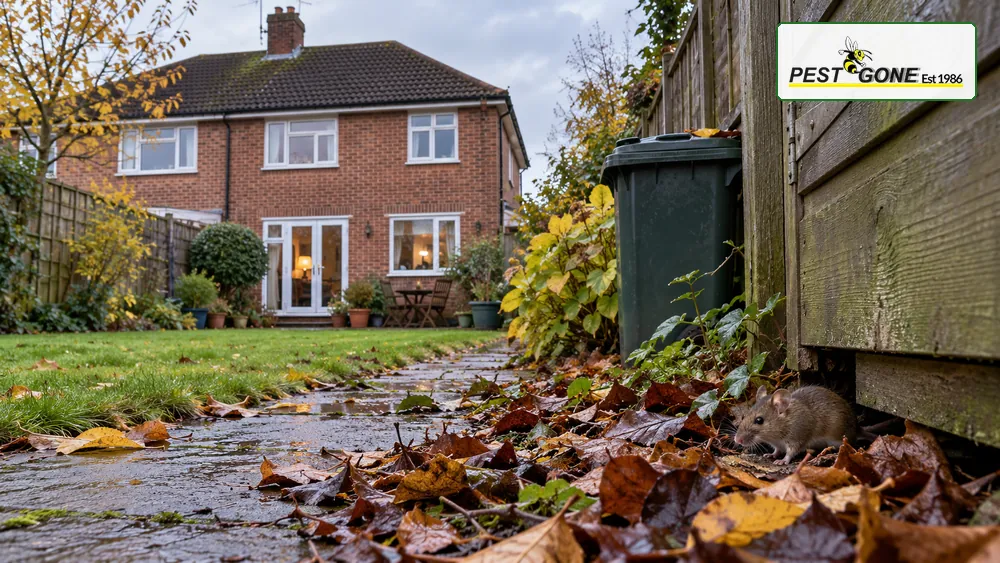
Pests enter rental properties for many reasons, so avoid assuming poor housekeeping without clear evidence. Rats and mice often squeeze through structural flaws like pipe gaps, damaged air bricks, broken drains, or roof defects, while pests in flats frequently originate from communal bin stores, roof voids, or neighboring units outside a tenant’s control.
While uncovered food or heavy clutter can contribute to an infestation, the priority should always be investigating the true source rather than rushing to assign blame. Focus on bringing in an expert to identify access points and nesting areas, allowing you to stop the current activity and keep the issue from returning.
Over-the-counter traps and sprays often target surface activity without solving the root cause. Worse, misusing chemicals can scatter pests into new areas, pose health risks to occupants or pets, and complicate future assessments.
Professional intervention is crucial for established, hidden, or hard-to-identify infestations. To ensure a smooth treatment process:
Eradicating pests is only half the battle; if entry routes and attractants remain, the infestation will return. Coordinate treatment and repairs with a qualified contractor based on the pest controller’s findings:
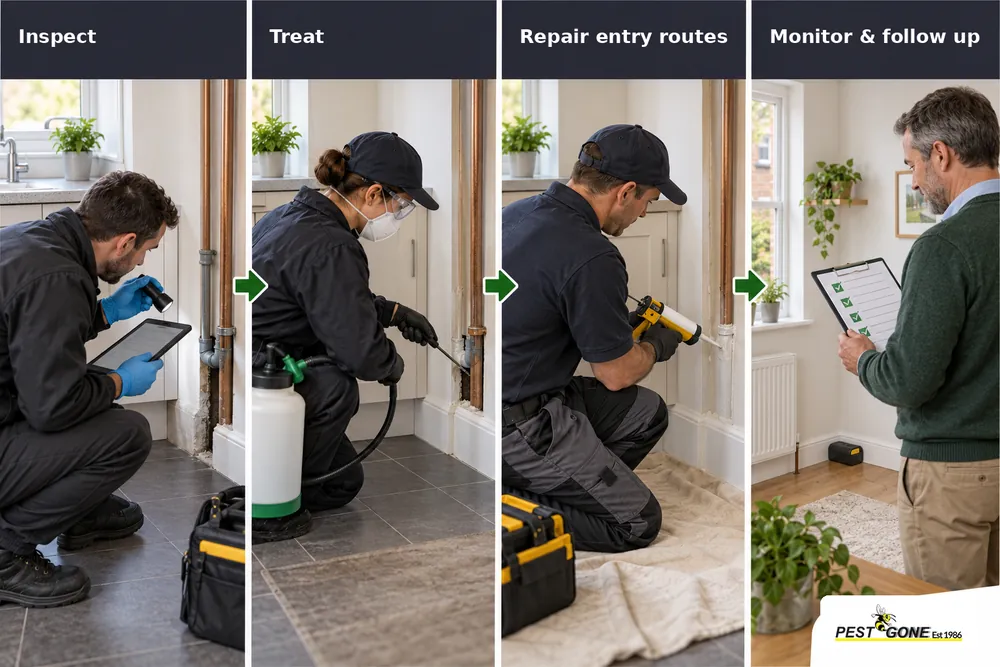
Keeping your tenant updated on inspection dates, contractor details, and prep steps helps reduce stress and ensures treatment guidelines are actually followed. After each visit, share a quick, respectful update explaining what was found, what happens next, and how actions like securing food or washing pet bedding help support the process.
Be sure to keep written records of all reports, visits, contractor notes, and conversations to maintain a clear history for your files.
Many infestations require multiple visits or ongoing monitoring to completely clear out. Send a quick follow-up message after treatment to ask if any activity remains, and make sure all recommended building repairs are actually completed rather than waiting for another complaint.
If the property shares walls or communal areas, check those spaces as well, as treating a single unit won’t stop pests coming from shared drains, bin stores, or roof voids.
Since 1986, our family-run team has provided fast, reliable pest control for landlords, homeowners, and businesses across Bedfordshire, Milton Keynes, and surrounding areas. We handle everything from rodents and wasps to fleas and pigeons, tailored to the specific needs of your property. To keep things subtle for tenants and neighbors, we offer discreet service using unmarked vehicles.
We look beyond visible pests to identify root causes, entry points, and contributing conditions. This gives you clear, actionable information to coordinate effective treatments, structural repairs, and follow-up care. Whether you manage a single rental or a commercial portfolio, we help you resolve infestations completely and keep them from coming back.
A tenant’s pest report is much easier to manage when you respond early, gather the right evidence, and address both the infestation and its cause. Delaying action can give pests more time to spread and may turn a manageable visit into a larger treatment and repair job.