Signs of Fleas in the House: 7 Clues Your Heating Could Be Waking Them Up
Spot the 7 signs of fleas in the house, from itchy bites to scratching pets. Learn how central heating affects flea activity and when to seek expert help.

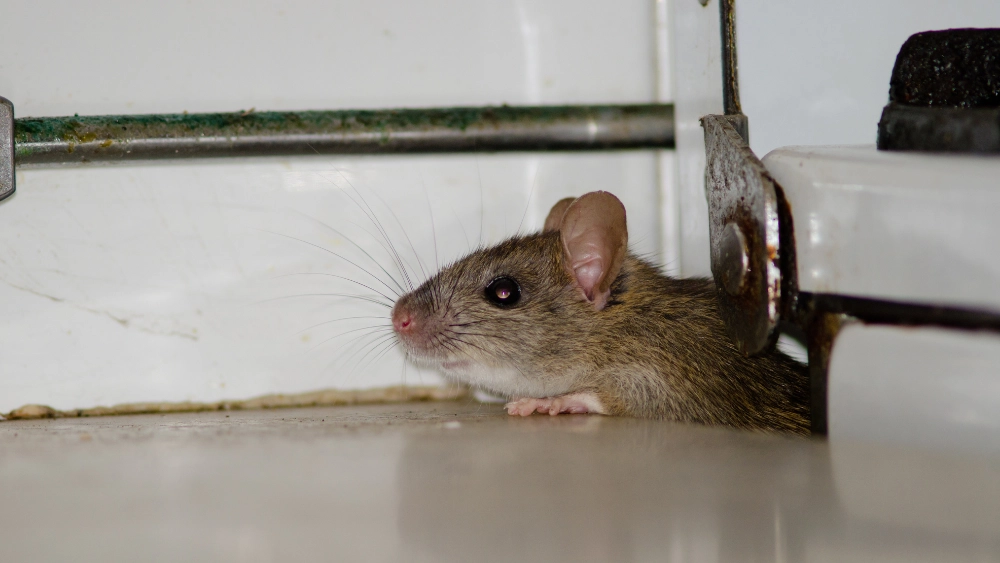
TL;DR: Small signs like droppings, scratching, smells, and chewed materials can point to rats or mice before you see one. If the signs keep coming back or appear in more than one area, it is best to get the problem checked before it spreads.
Key Takeaways
That faint scratching behind the wall may be nothing, but it is not something to ignore if it keeps happening at night. Rats and mice are good at staying out of sight, so most homeowners notice the signs before they ever see the rodent itself.
This guide explains what to look for, how to spot the difference between rats and mice, and when it is sensible to contact Pest Gone for professional rodent pest control.
Rodent problems usually start with small clues, not a dramatic sighting. A few droppings, a chewed packet, or a strange smell in a cupboard can mean rats or mice are nearby, especially if the signs keep appearing in the same area.
Droppings are one of the clearest signs of rats or mice in the home. You might spot them under the sink, behind appliances, inside cupboards, in the loft, along skirting boards, or close to stored food.
Mouse droppings are small, dark, and rice-like, while rat droppings are larger and thicker. A single dropping may not prove much, but fresh or repeated droppings usually mean there is active movement, so avoid touching them with bare hands and clean the area carefully.
Many people first suspect rats or mice because they hear movement at night. Scratching, scurrying, tapping, or gnawing sounds may come from walls, ceilings, lofts, floor spaces, or behind kitchen units.
Mice usually sound light and quick, while rats can sound heavier, especially in lofts or wall cavities. If the same noise keeps coming from the same place, take it seriously because repeated night-time activity is a stronger warning sign than a one-off sound.
Rats and mice need to gnaw, so chewed items are a strong sign that something is active nearby. Check food bags, cereal boxes, pet food sacks, plastic containers, cupboard edges, pipe holes, door frames, insulation, and wiring.
Chewed food packaging is especially worth taking seriously because it can mean rodents are feeding inside your home. If you see gnaw marks together with droppings, it is a clear sign to get the problem checked.
A strong, stale, or ammonia-like smell can be a sign of rodent urine, especially in closed spaces such as cupboards, lofts, garages, or behind appliances. Mice can leave a noticeable smell indoors because they often nest close to food and warmth.
Rats can also cause odours in wall voids, under floors, around drains, or near outdoor shelter points. Smell alone does not prove you have rats or mice, but if it appears with droppings, noise, or gnaw marks, it is worth getting checked.
Some rodent signs are easy to miss because they can look like everyday dirt, dust, or wear around the home. Use a torch to check edges, corners, cupboards, and quiet spaces, as rats and mice usually travel close to walls and cover rather than crossing open areas.
Rats and mice often follow the same paths, leaving dark, greasy smudges as they brush against walls, pipes, skirting boards, or beams. You may notice these marks behind appliances, inside cupboards, near pipe entry points, or along garage walls.
Rats and mice use soft materials such as paper, cardboard, fabric, insulation, packaging, and loft material to build nests. Check quiet spots like loft corners, airing cupboards, garage storage, wall cavities, kitchen plinths, cluttered cupboards, sheds, decking, compost areas, dense planting, and rubbish storage, especially if shredded material appears near droppings or smells.
Dusty areas can show small footprints or tail marks where rats or mice have passed through, especially in lofts, garages, unused cupboards, and storage rooms. Pets may also notice movement first, so check any wall, cupboard, or kitchen unit they keep sniffing or watching for droppings, smells, gaps, or other signs.
You do not need to know exactly which rodent you have before asking for help, but the signs can give you a good idea. Mice are smaller, move quickly, squeeze through tiny gaps, and often leave smaller droppings or light nibble marks in kitchens, cupboards, lofts, and behind appliances.
Rats are larger and usually leave heavier clues, such as bigger droppings, louder movement, stronger smells, and more obvious gnaw marks. If the activity is linked with drains, gardens, sheds, wall cavities, underfloor spaces, or the loft, rats may be the more likely problem.
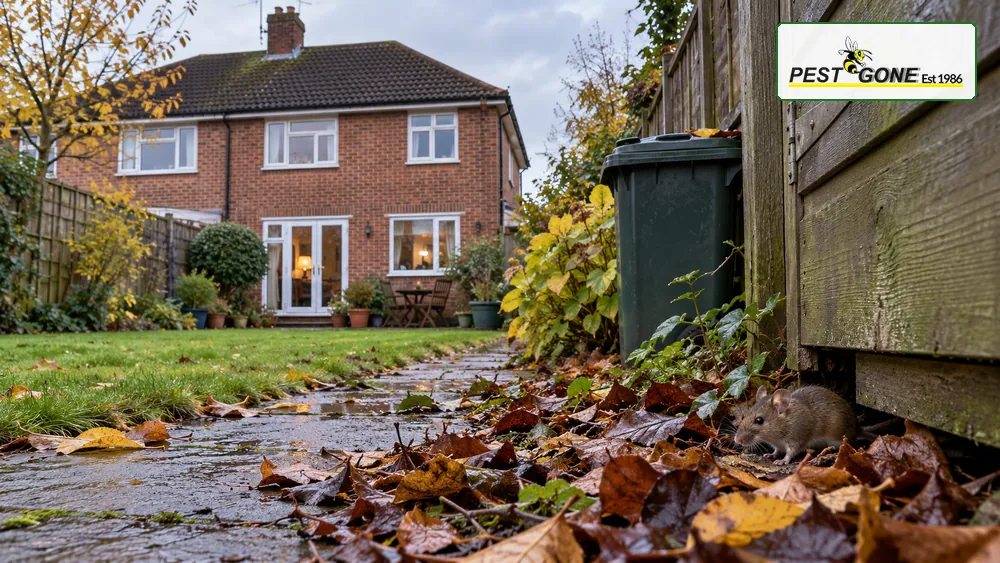
Rats and mice only need a small weak spot to get inside, such as gaps around pipes, broken vents, damaged air bricks, door gaps, drain faults, or roofline openings. Outside, sheds, decking, bins, compost areas, and overgrown edges can give them places to hide before they move closer.
Once indoors, they can travel through wall cavities, service gaps, kitchen plinths, ceiling voids, and loft insulation. Blocking one hole may help, but proper rodent control works best when treatment is paired with sensible proofing and prevention.
Book professional rodent treatment if you notice:
Rats and mice usually stay hidden, so visible signs often mean the problem has been active for a while. If you have children, pets, vulnerable people, rental duties, or food preparation areas to protect, it is worth arranging professional pest control services before the issue gets worse.
We are a local, family-run pest control company serving Bedfordshire, Milton Keynes, South Cambridgeshire, and nearby areas, with more than 30 years of experience helping homes and businesses deal with pests properly. When it comes to rats and mice, we focus on finding the signs, checking likely entry points, and explaining the next steps clearly.
At PestGone, we keep the service safe, discreet, and straightforward, with care taken around children, pets, and your property. Unmarked vehicles are available too, which helps when you want the problem handled without drawing attention from neighbours, tenants, customers, or staff.
If you have found droppings, heard scratching at night, noticed gnaw marks, or suspect rats or mice are active in your home, do not wait for the signs to get worse. The sooner the issue is checked, the easier it is to understand what is happening and what needs to be done.
Call Pest Gone today and book help with your rodent problem.